
Sycamore Tree | Acer pseudoplatanus
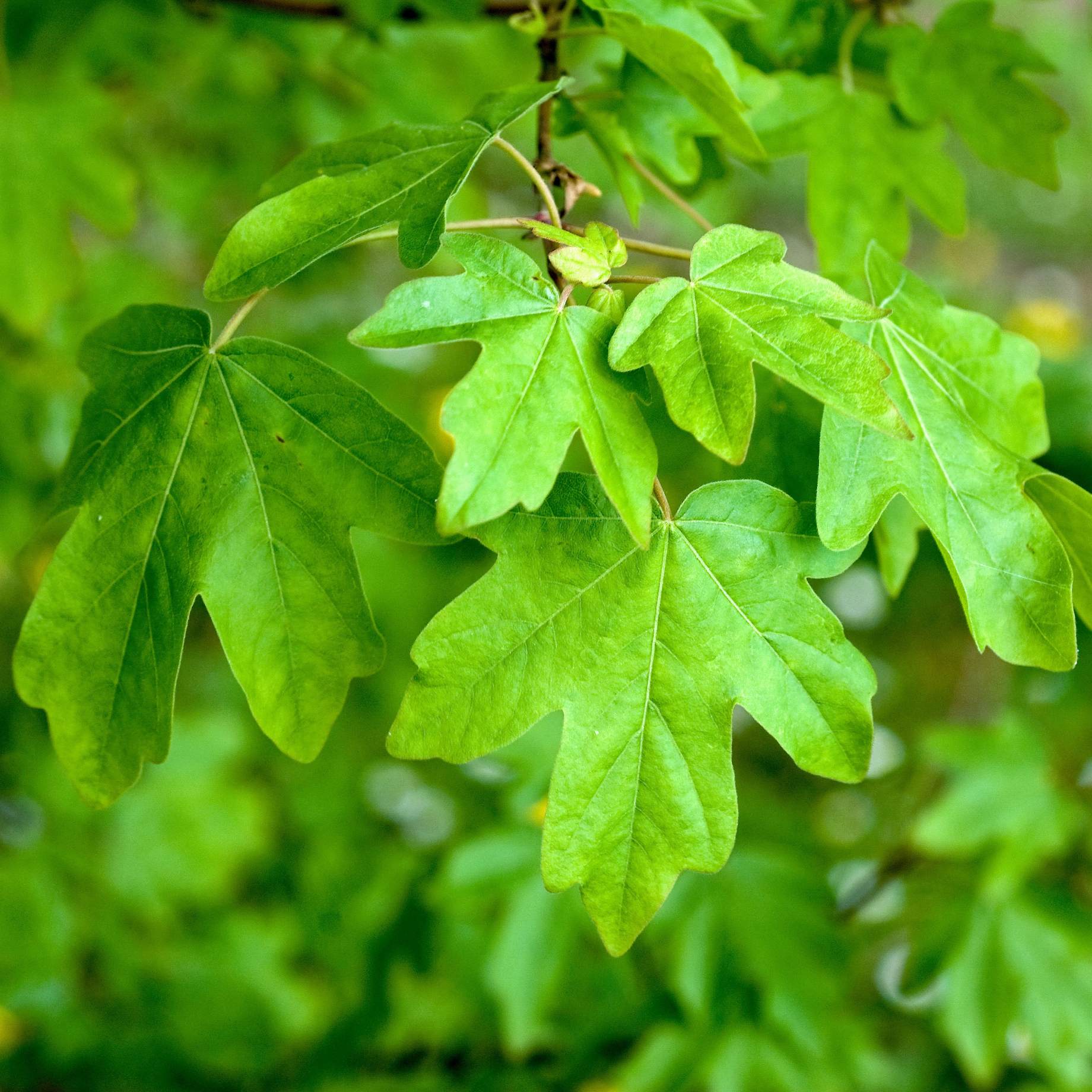
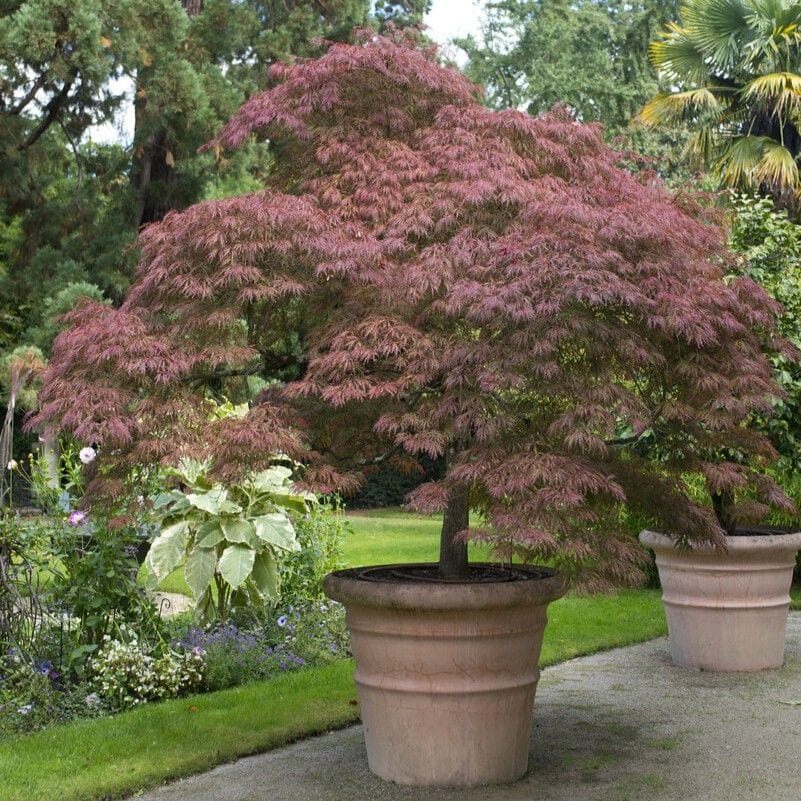
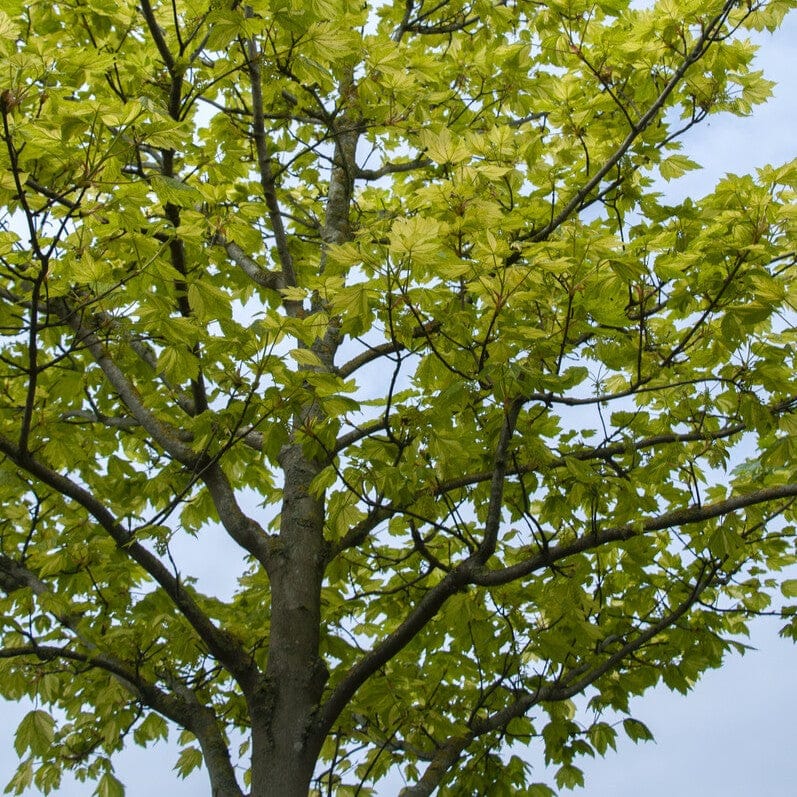
- A lovely, vigorous tree, sycamores are commonplace throughout the UK. These pollution-tolerant trees sport lush green foliage and can also tolerate both salt spray and wind, making them an ideal choice for coastal settings.
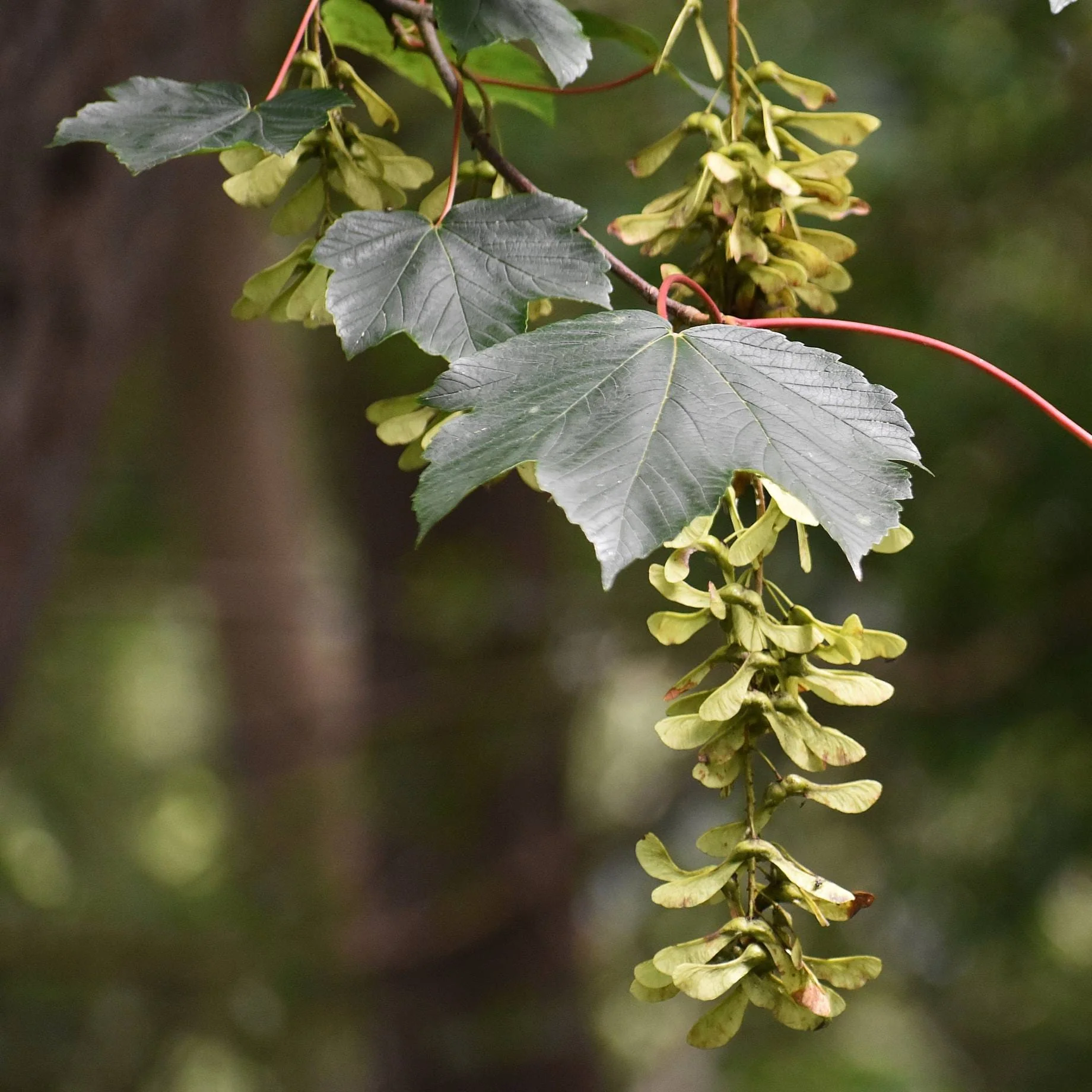
- In autumn, winged fruits (called samaras) are borne; these 'helicopters' spin as they fall (in a process named autorotation) to help carry them further on the wind for seed dispersal.
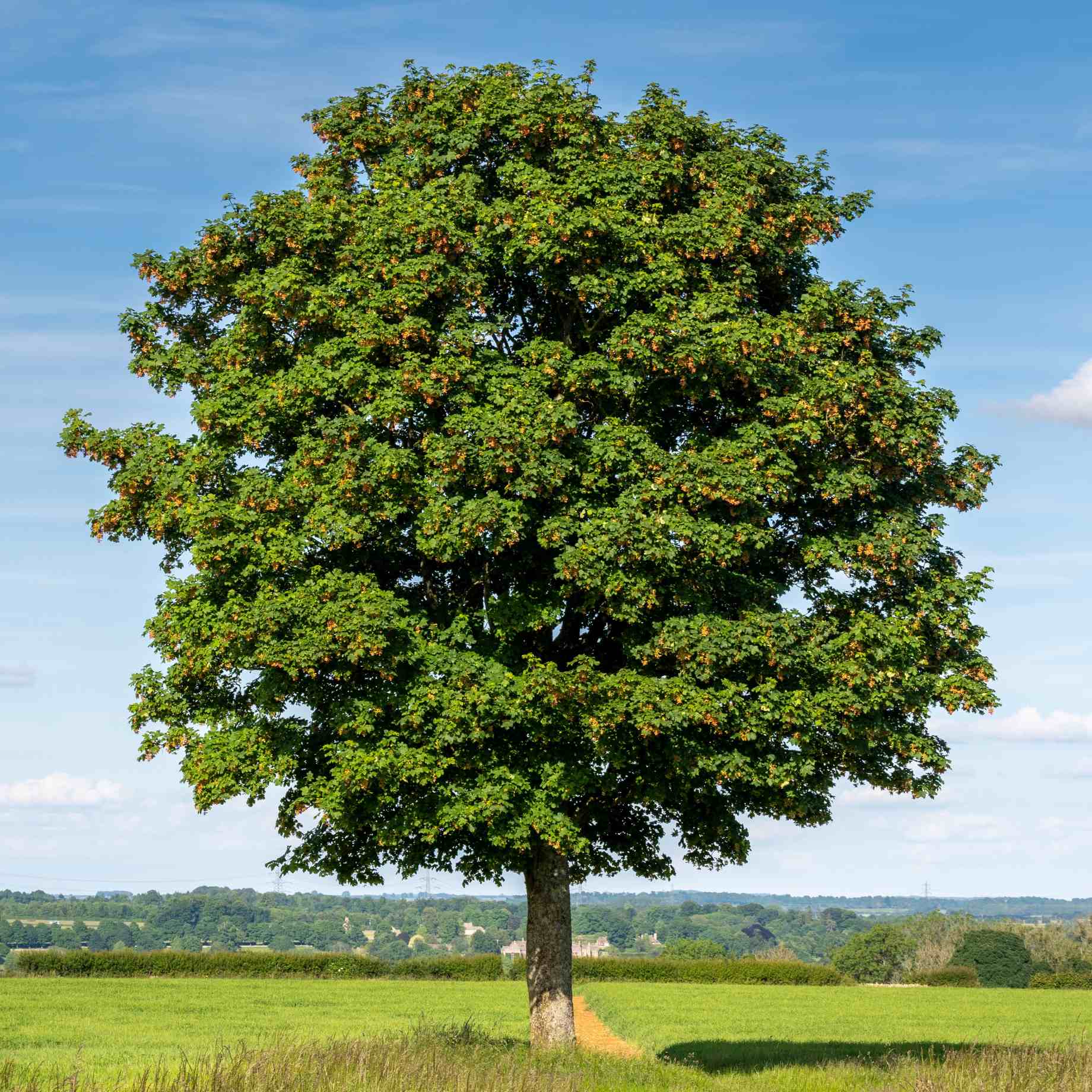
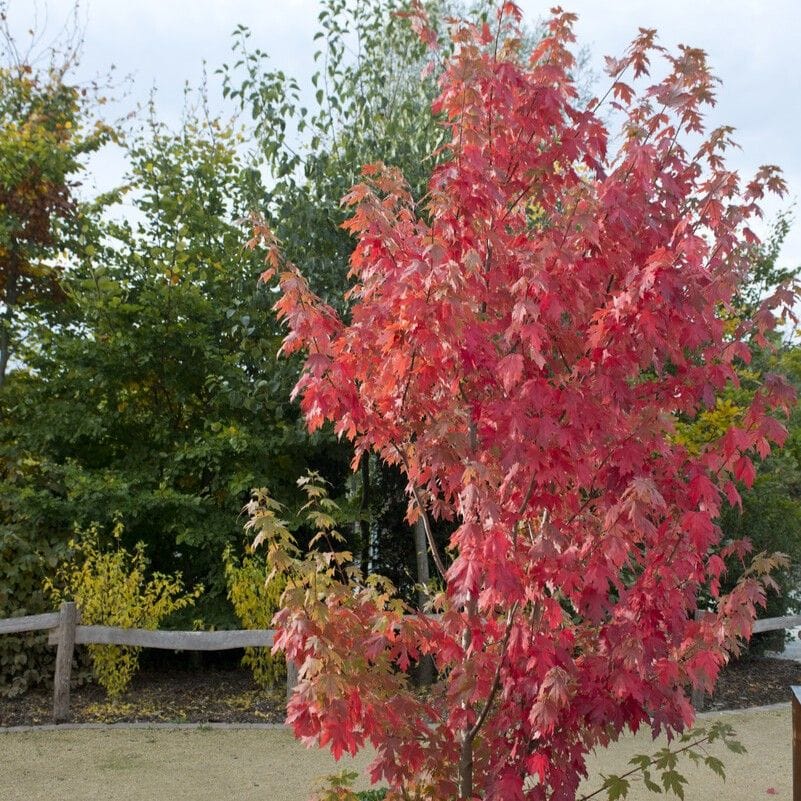
- As the tree matures, it develops a broad, domed shape that's really rather majestic. Deciduous in nature, established sycamores look wonderful in the winter months, their architectural silhouette etched attractively across the skyline.
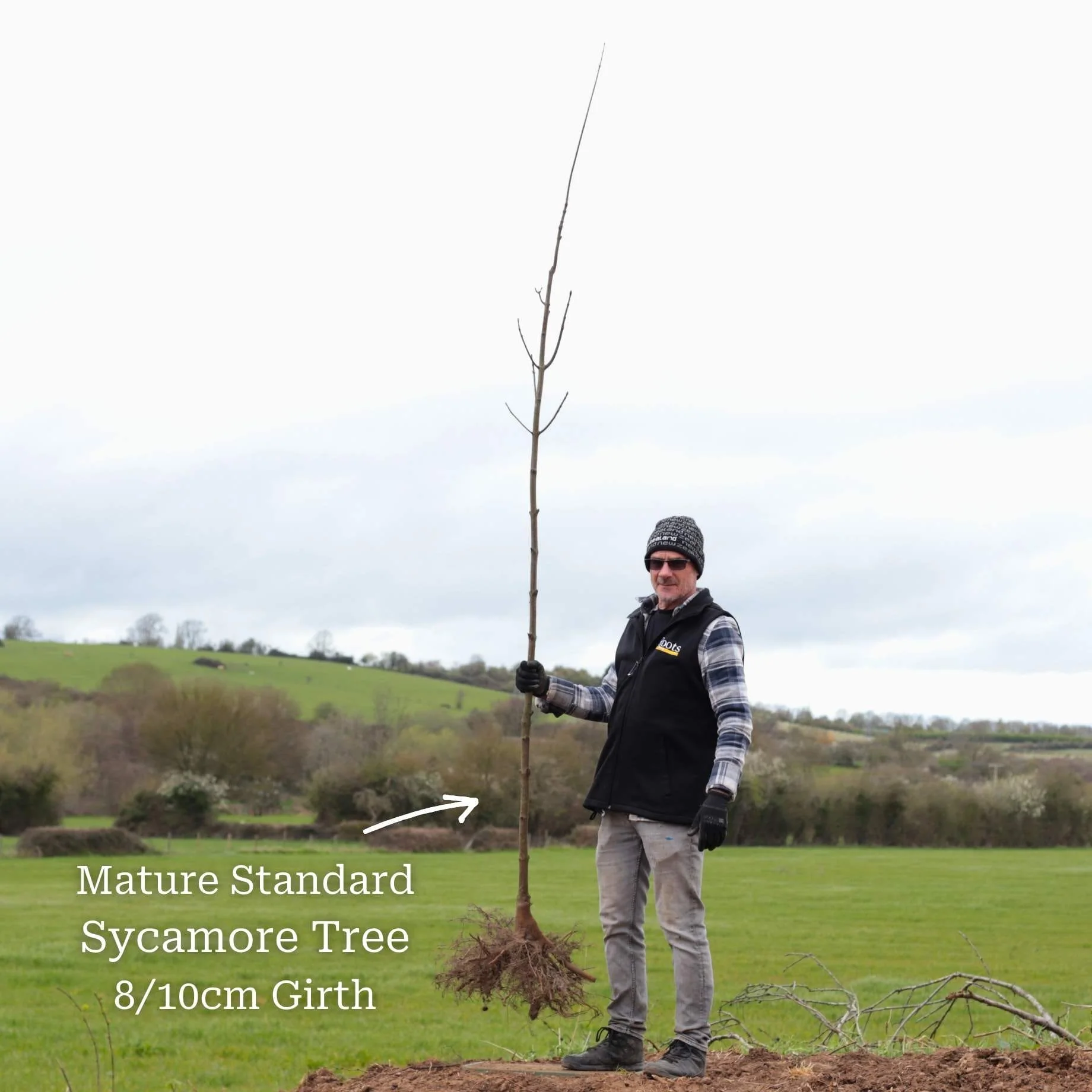
- Growing to more than 12m given the opportunity, sycamores are the perfect pick for larger gardens. That said, these trees also respond well to the pruning practice of 'pollarding', which helps keep them much smaller.
- Certified by the RHS as one of its Plants for Pollinators, the sycamore tree is known for attracting beneficial pollinating insects like bees and butterflies.
$52.50
Original: $175.00
-70%Sycamore Tree | Acer pseudoplatanus—
$175.00
$52.50Product Information
Product Information
Shipping & Returns
Shipping & Returns
Description
- A lovely, vigorous tree, sycamores are commonplace throughout the UK. These pollution-tolerant trees sport lush green foliage and can also tolerate both salt spray and wind, making them an ideal choice for coastal settings.
- In autumn, winged fruits (called samaras) are borne; these 'helicopters' spin as they fall (in a process named autorotation) to help carry them further on the wind for seed dispersal.
- As the tree matures, it develops a broad, domed shape that's really rather majestic. Deciduous in nature, established sycamores look wonderful in the winter months, their architectural silhouette etched attractively across the skyline.
- Growing to more than 12m given the opportunity, sycamores are the perfect pick for larger gardens. That said, these trees also respond well to the pruning practice of 'pollarding', which helps keep them much smaller.
- Certified by the RHS as one of its Plants for Pollinators, the sycamore tree is known for attracting beneficial pollinating insects like bees and butterflies.