Aquilegia 'Spring Magic Rose & Ivory'
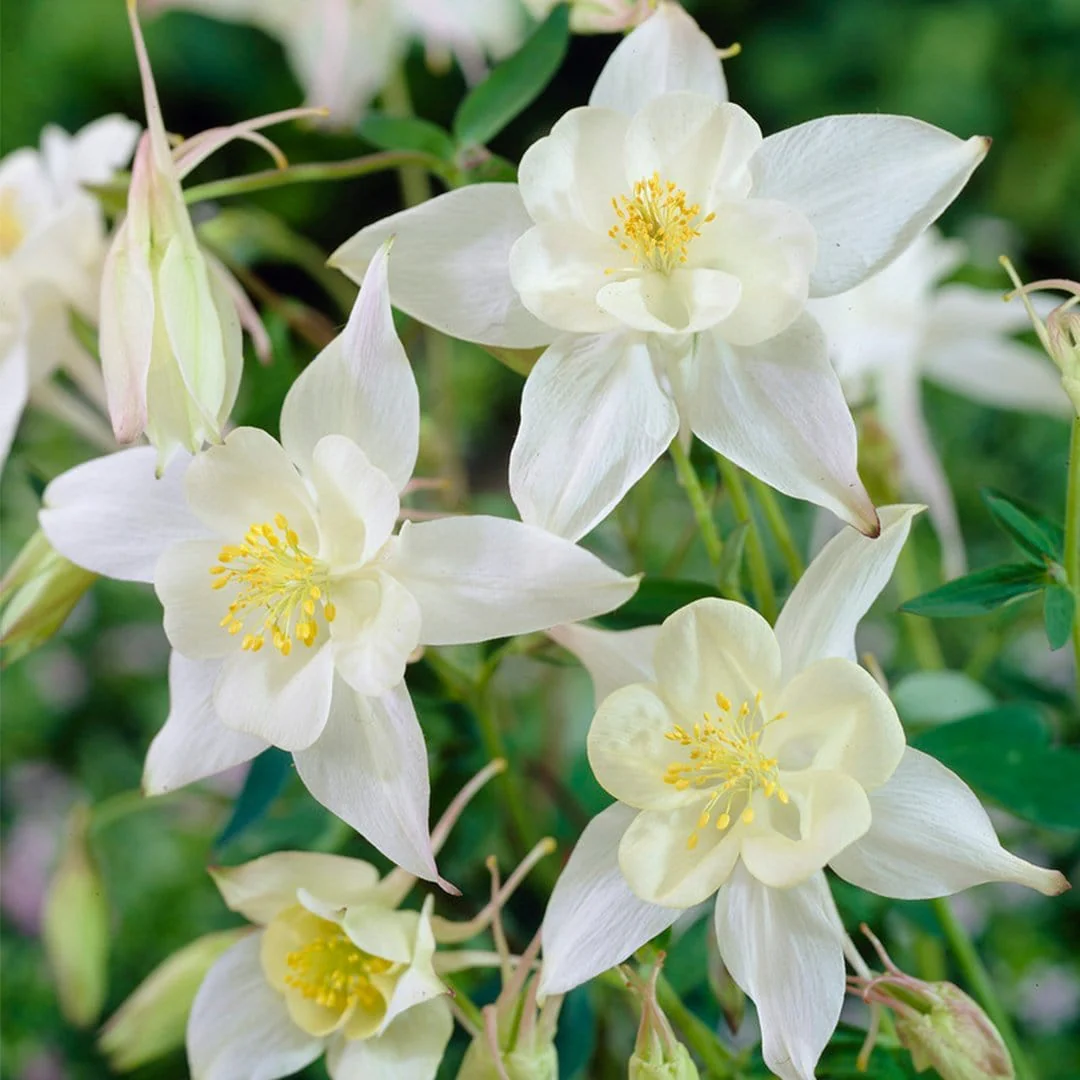
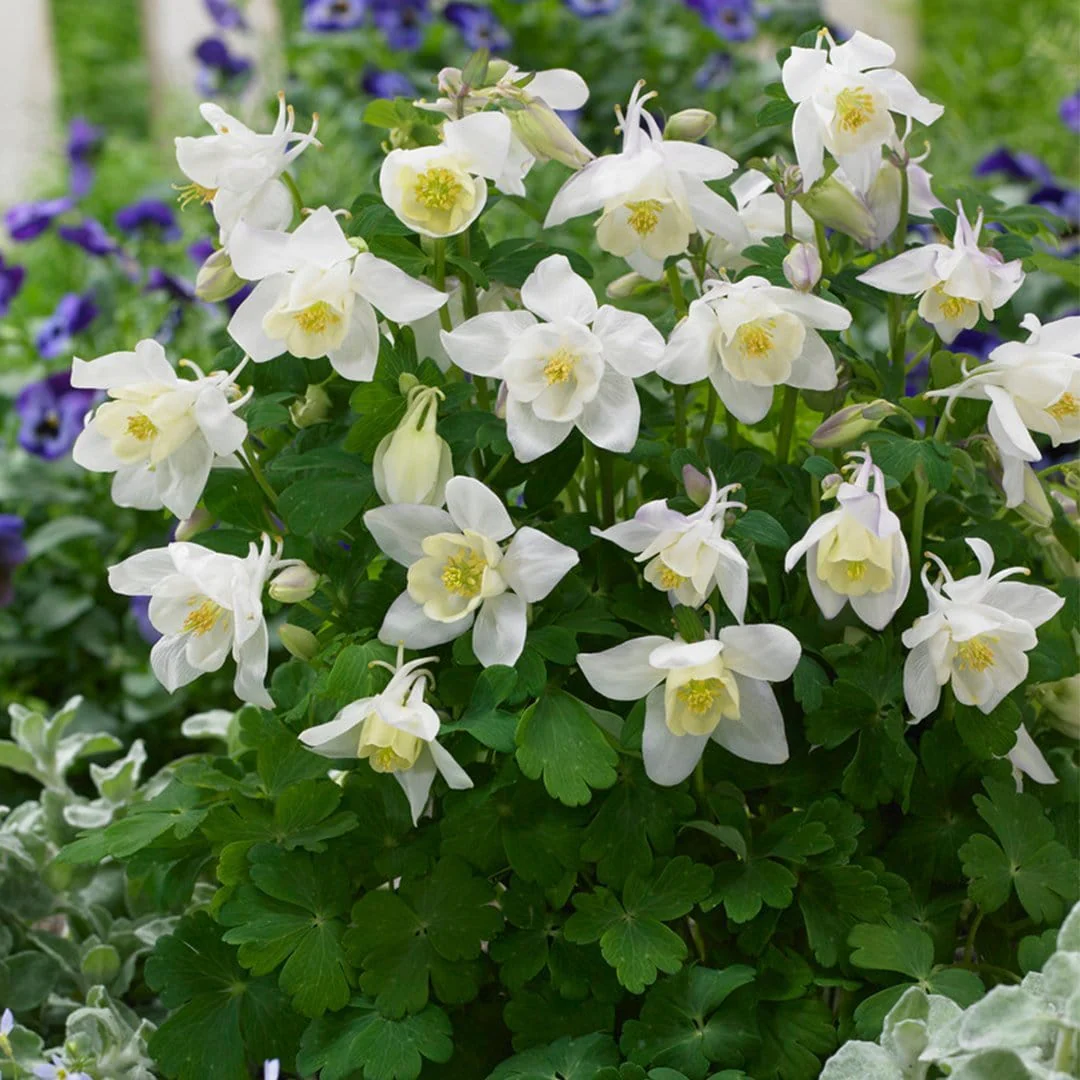
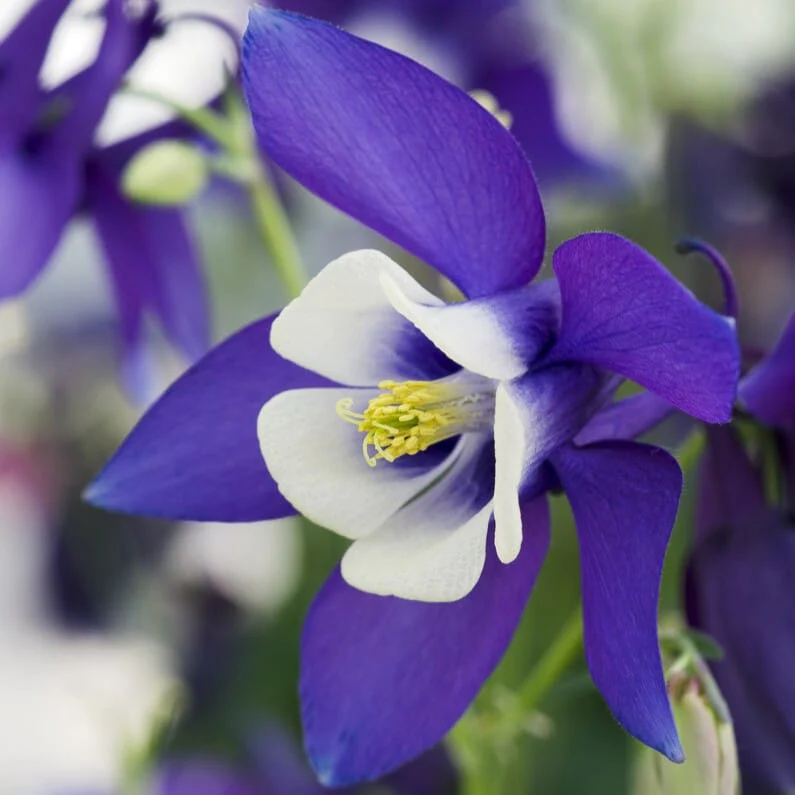
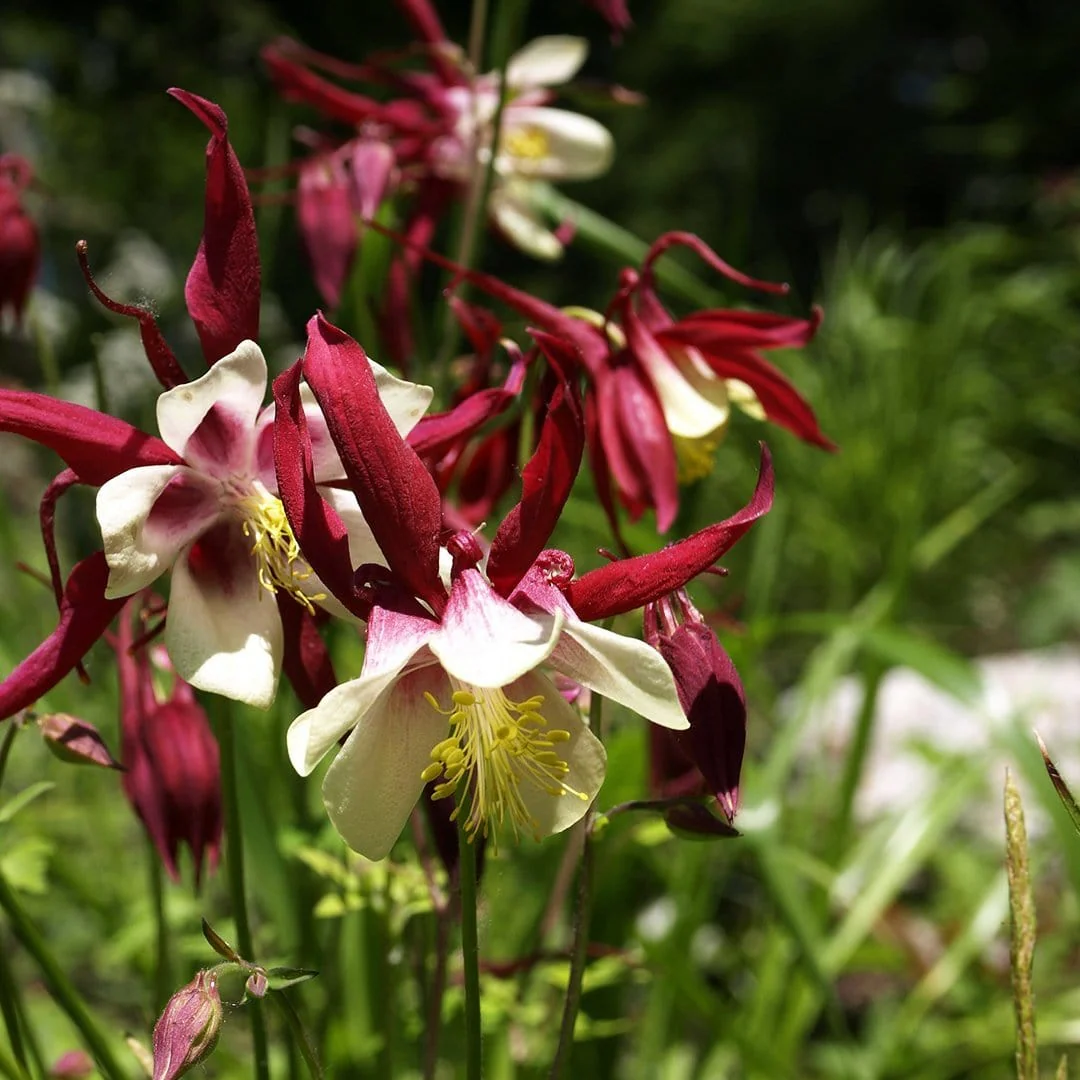
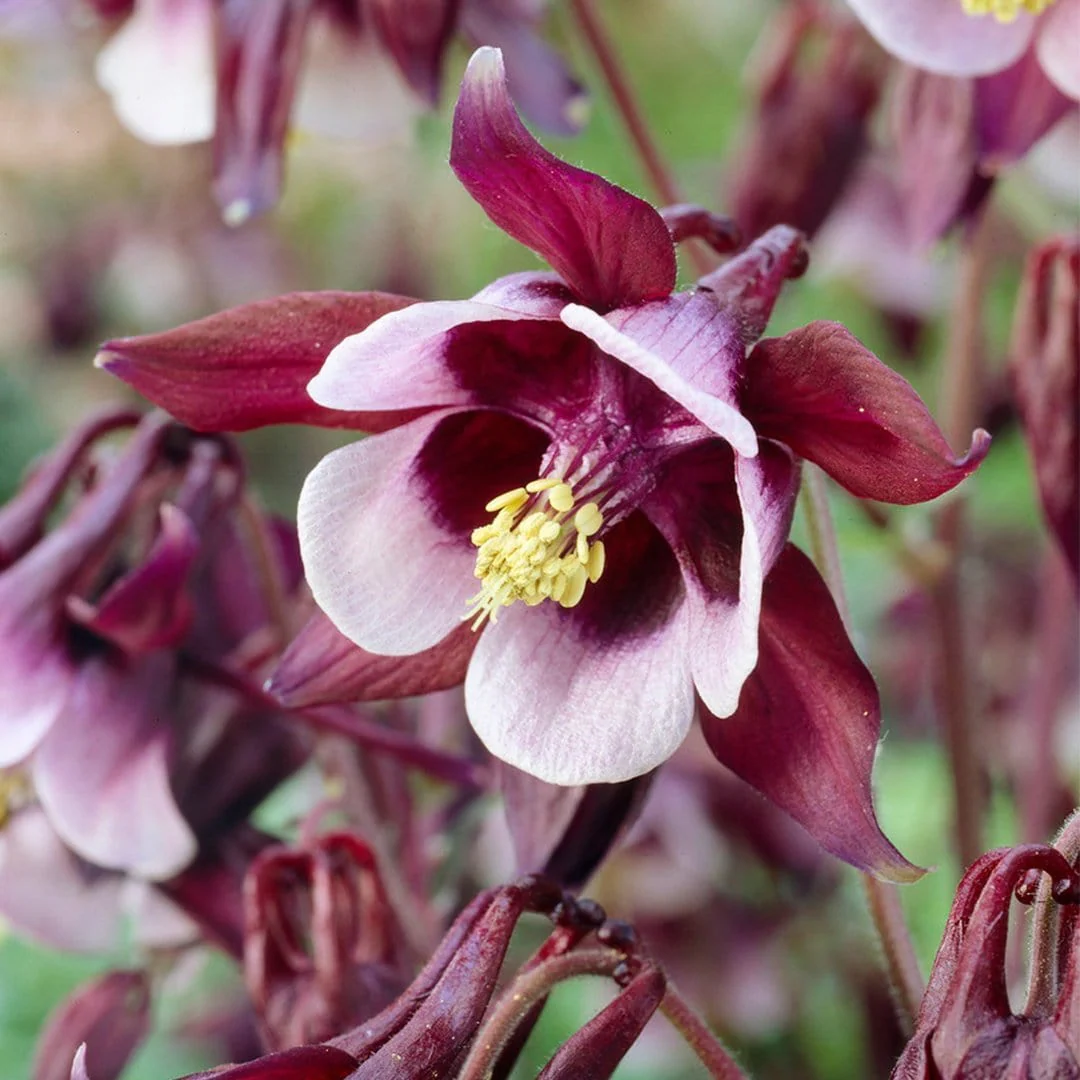
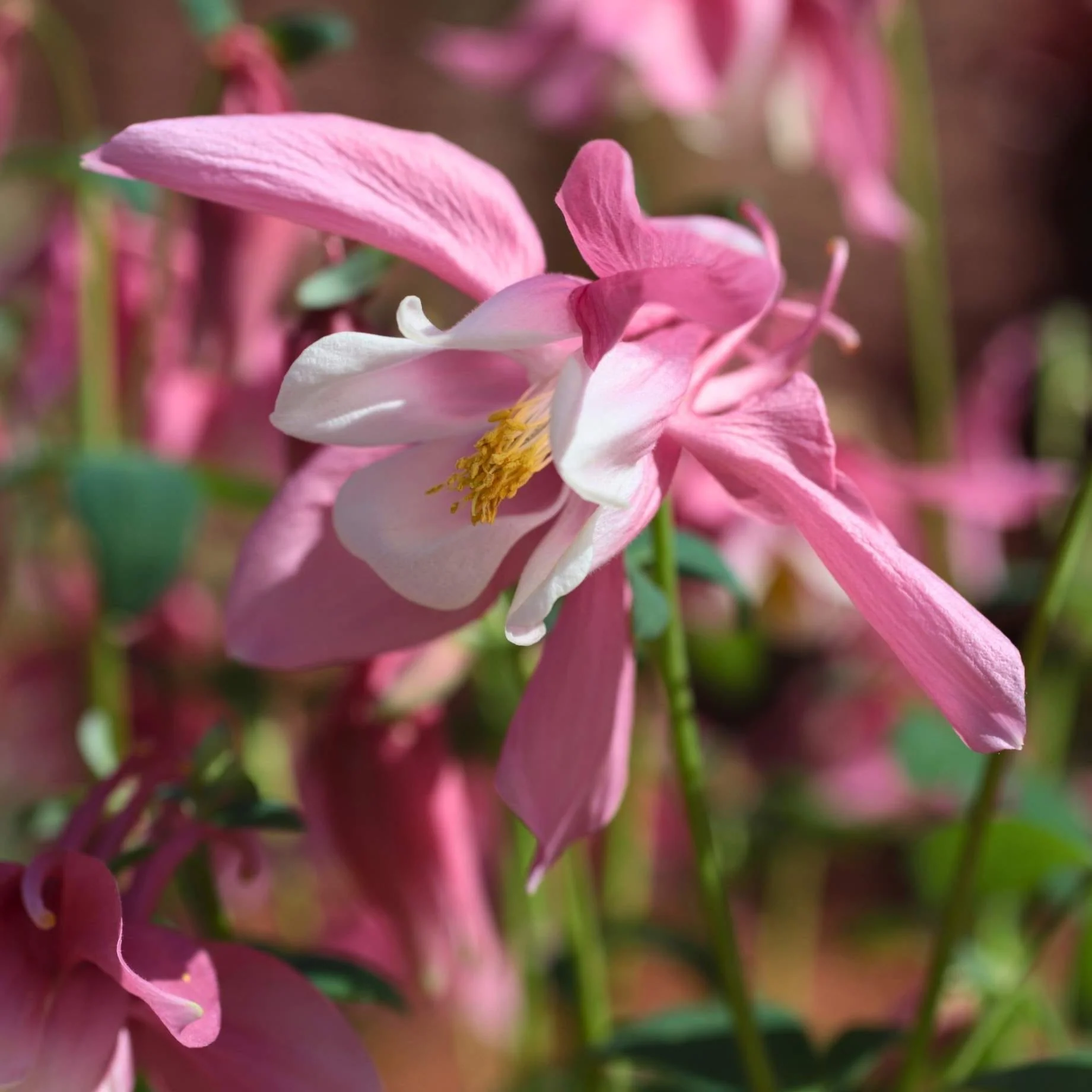
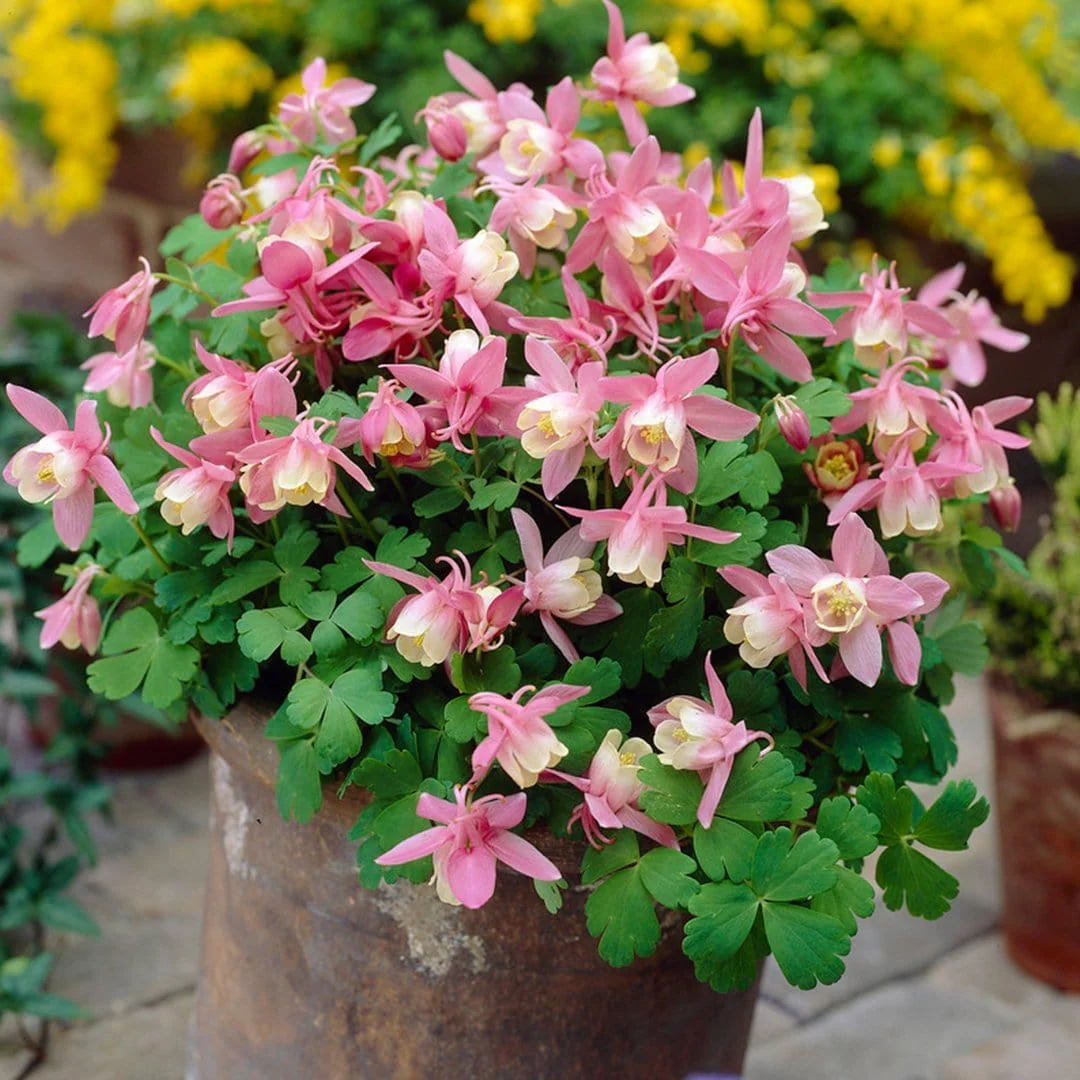
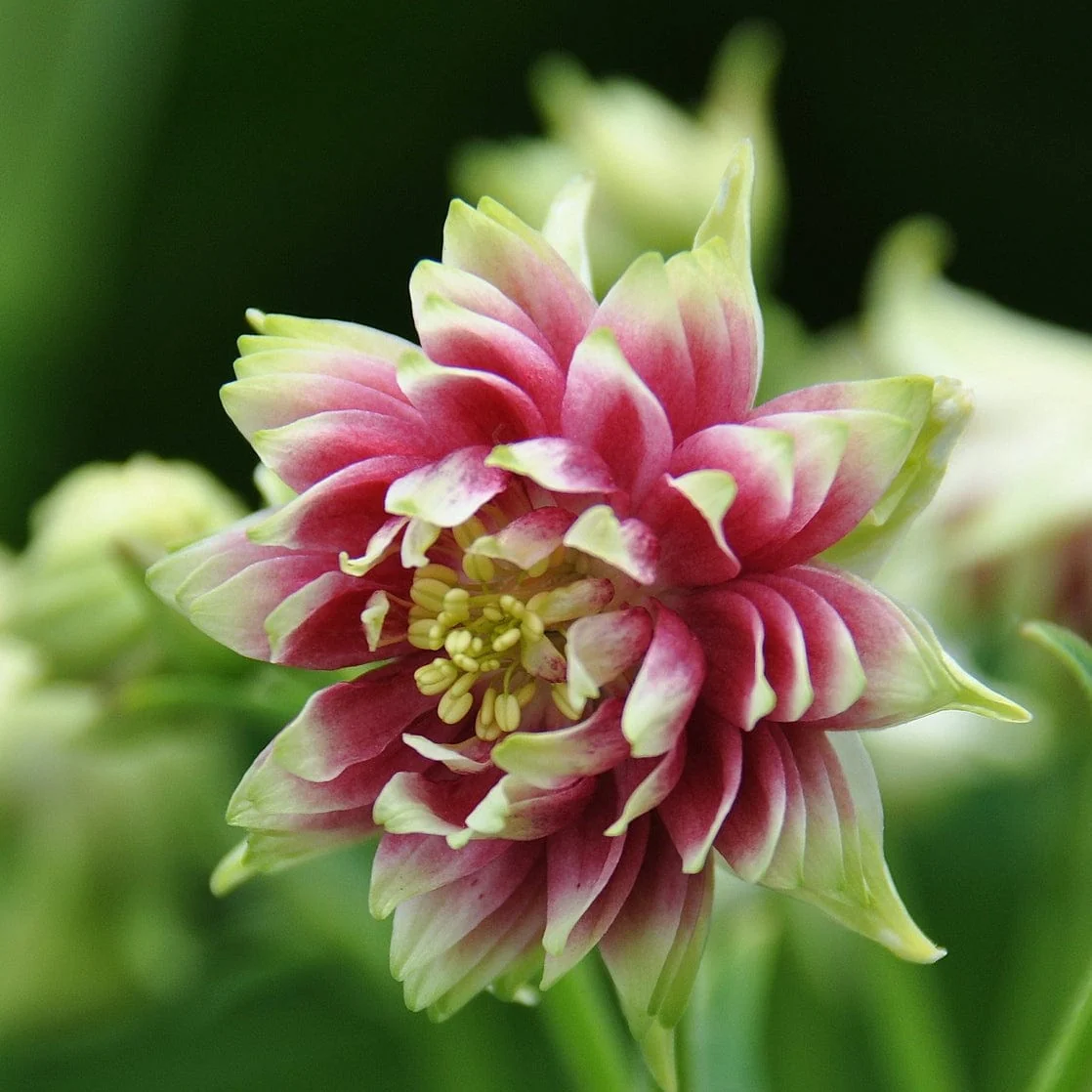
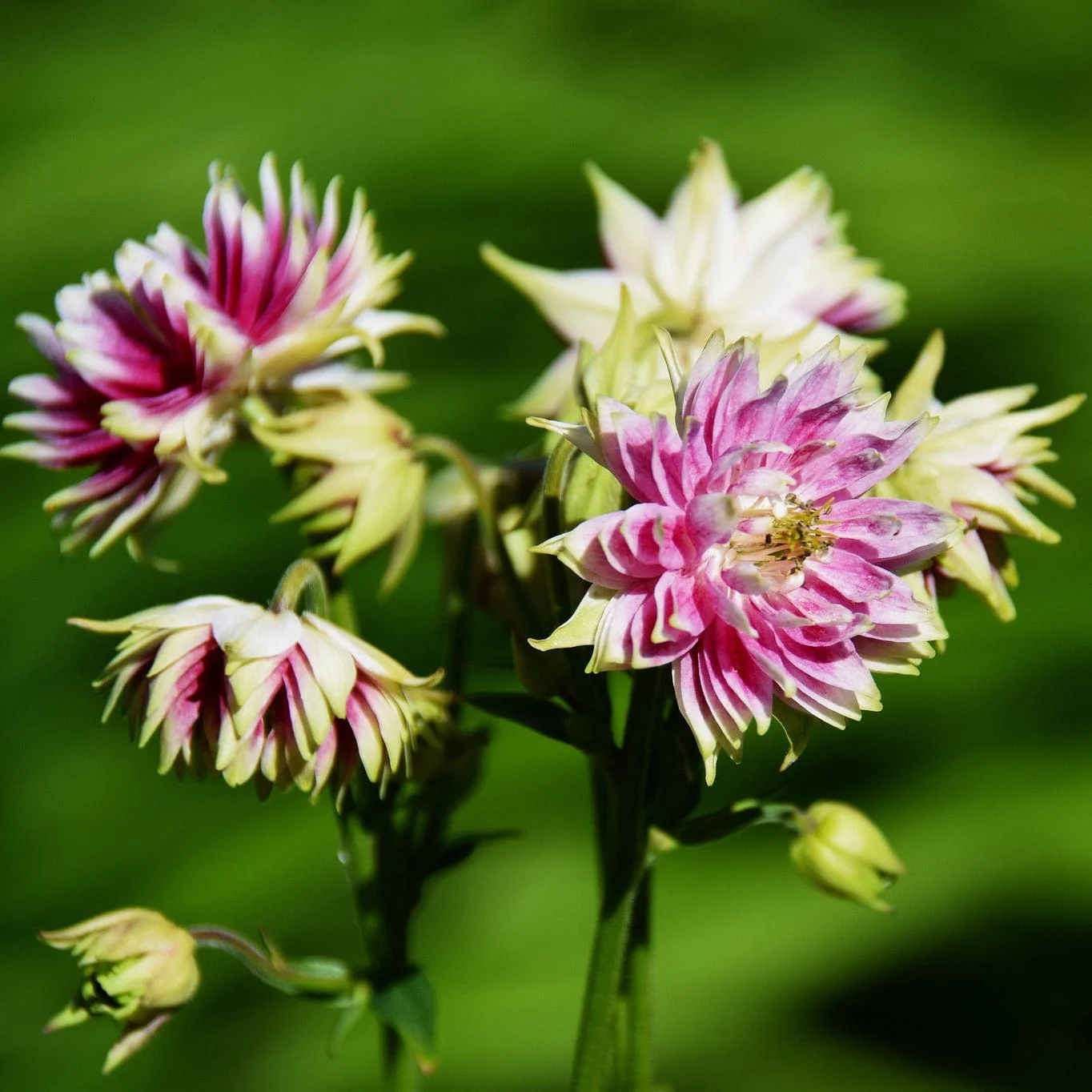
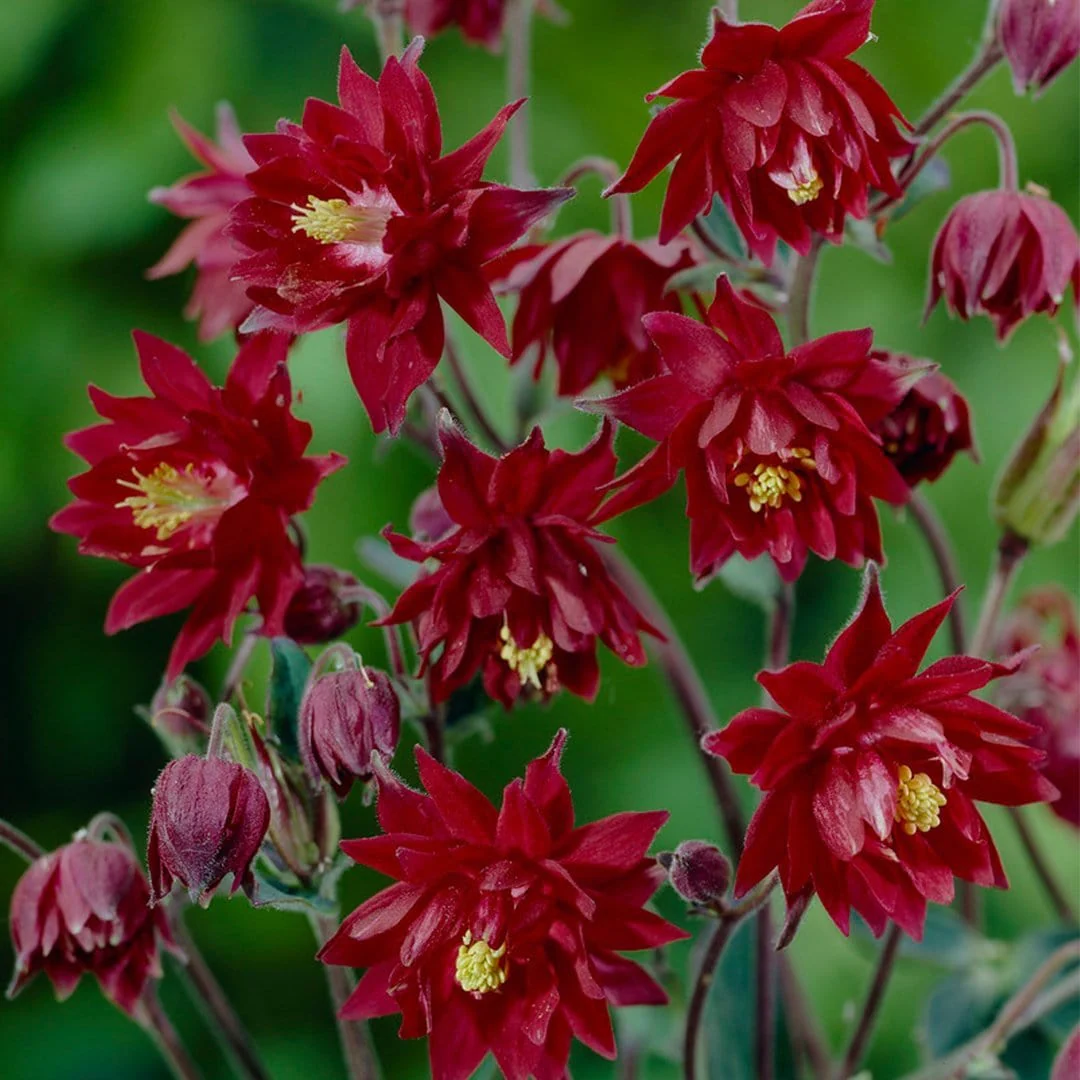
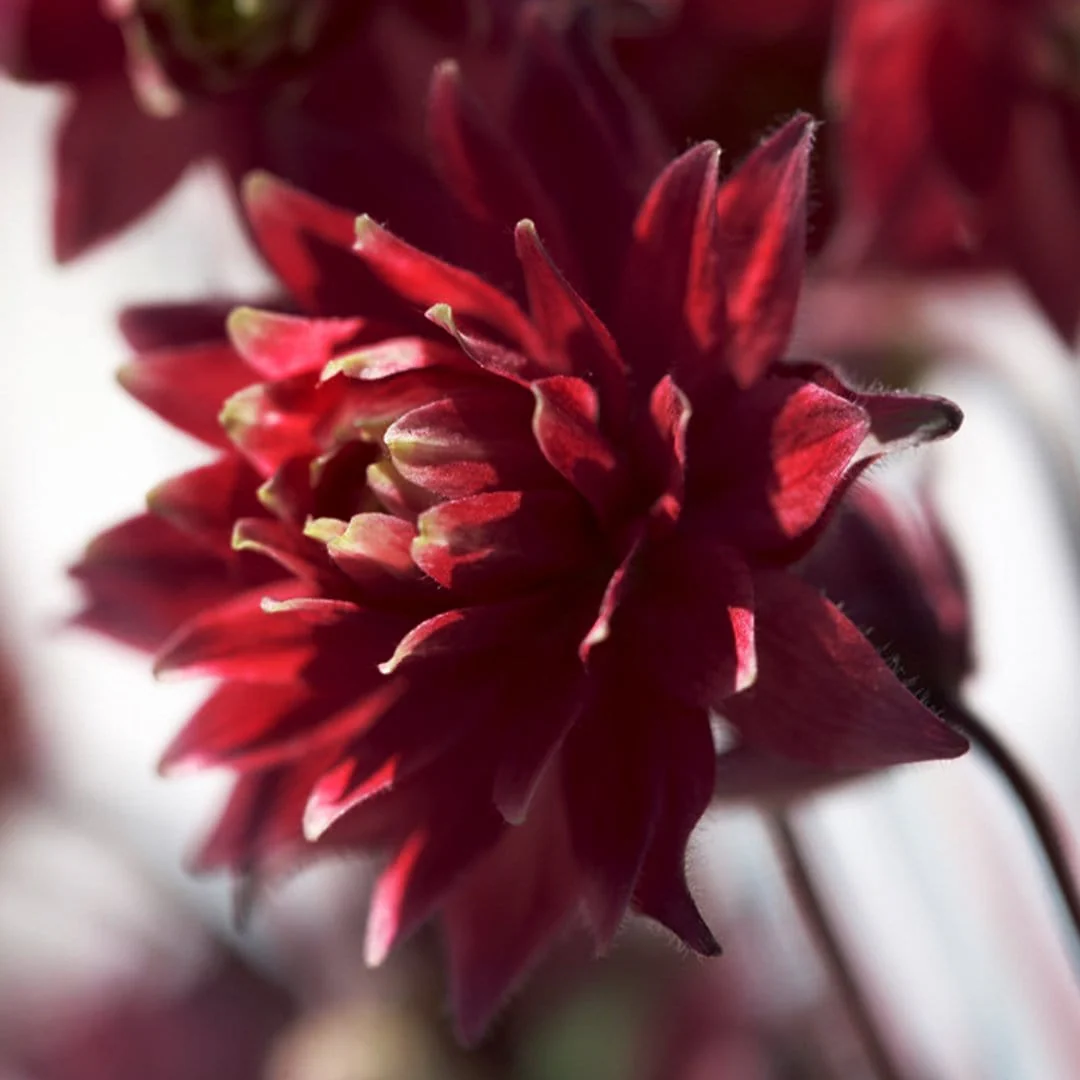
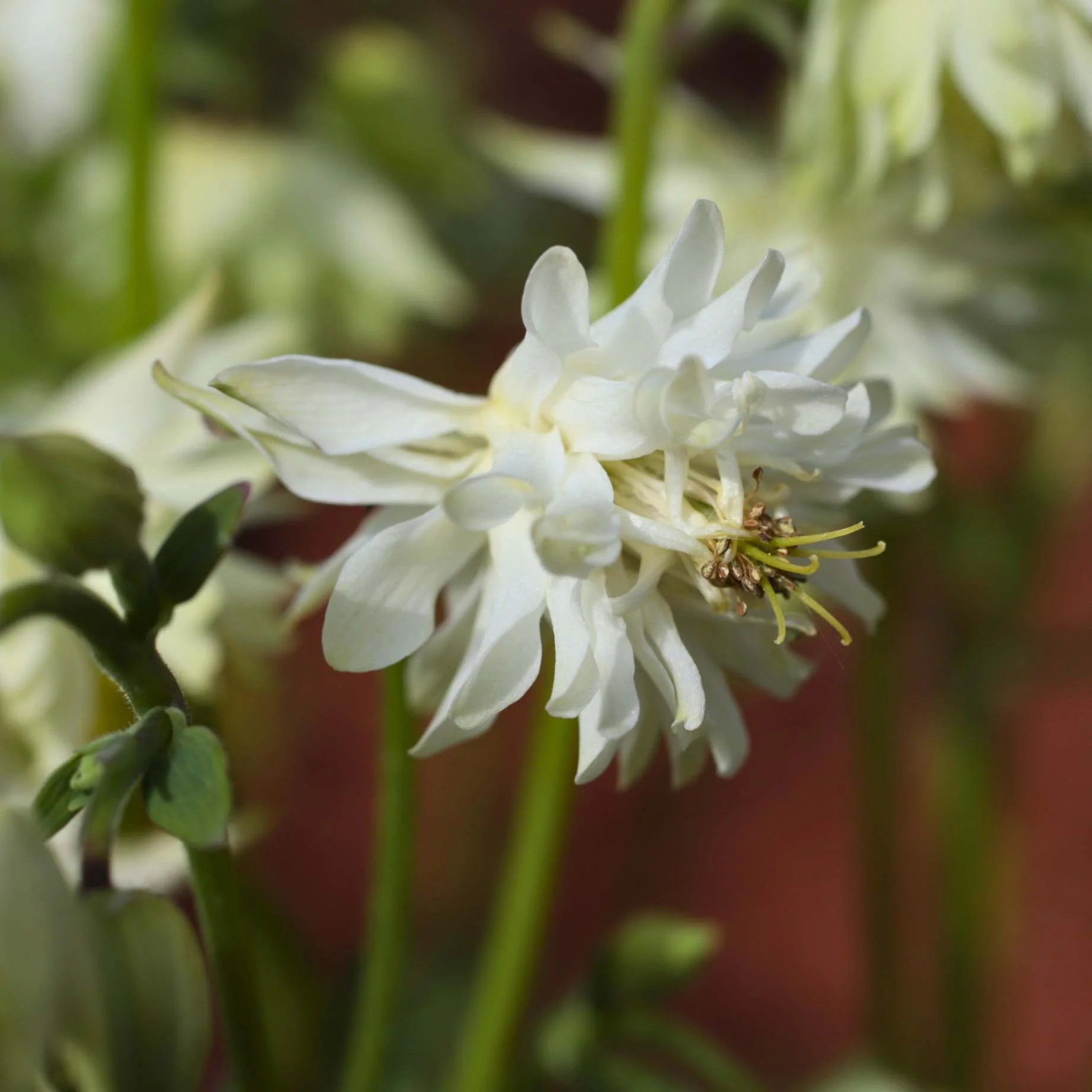
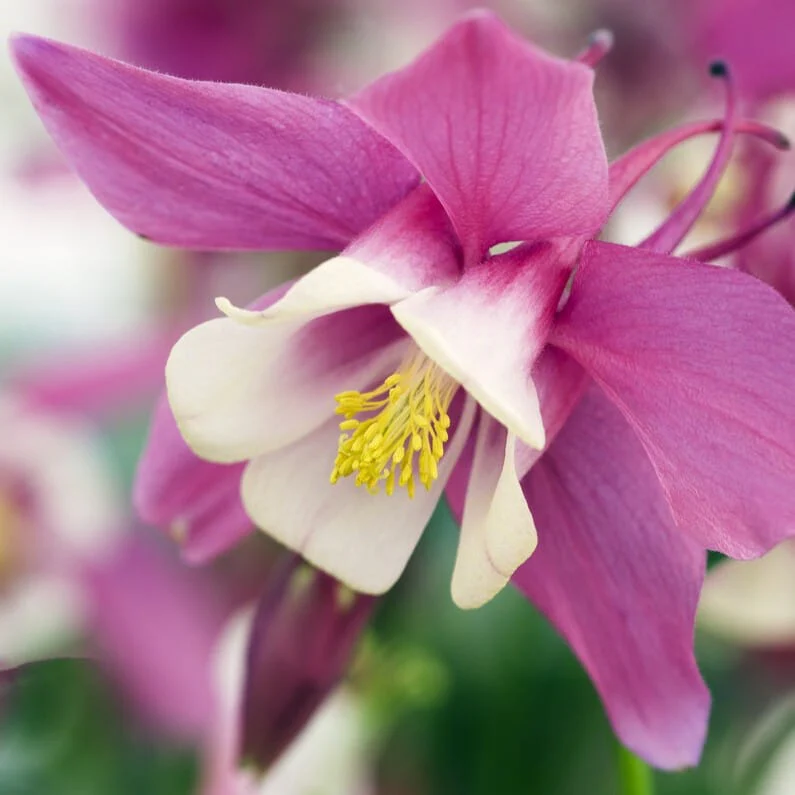
- From late spring, this aquilegia produces a romantic display of nodding, two-toned flowers with soft rose-pink outer petals and pale ivory-yellow centres that beautifully brighten garden borders.
- Forming a neat, clump-forming mound up to around 40cm tall, this plant boasts delicately divided, blue-green foliage that offers a wonderful, fern-like texture even before the plant blooms.
- Recognised on the official RHS Plants for Pollinators list, this is a fantastic, nectar-rich perennial that actively attracts bees and other beneficial pollinating insects to your garden.
- It's a highly versatile and easy-to-grow plant, thriving equally in patio containers, traditional cottage gardens or as underplanting for shrubs in either full sun or partial shade.
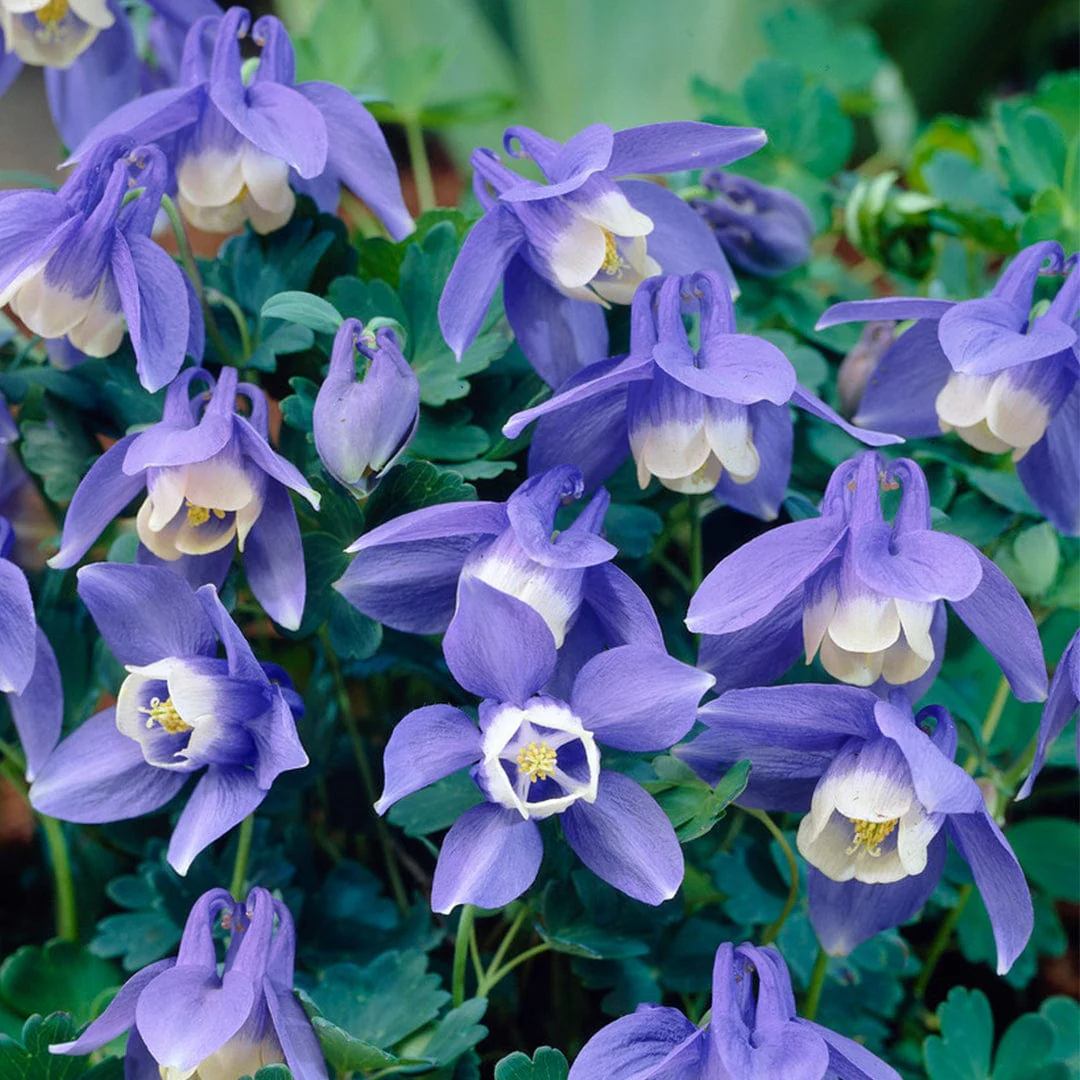
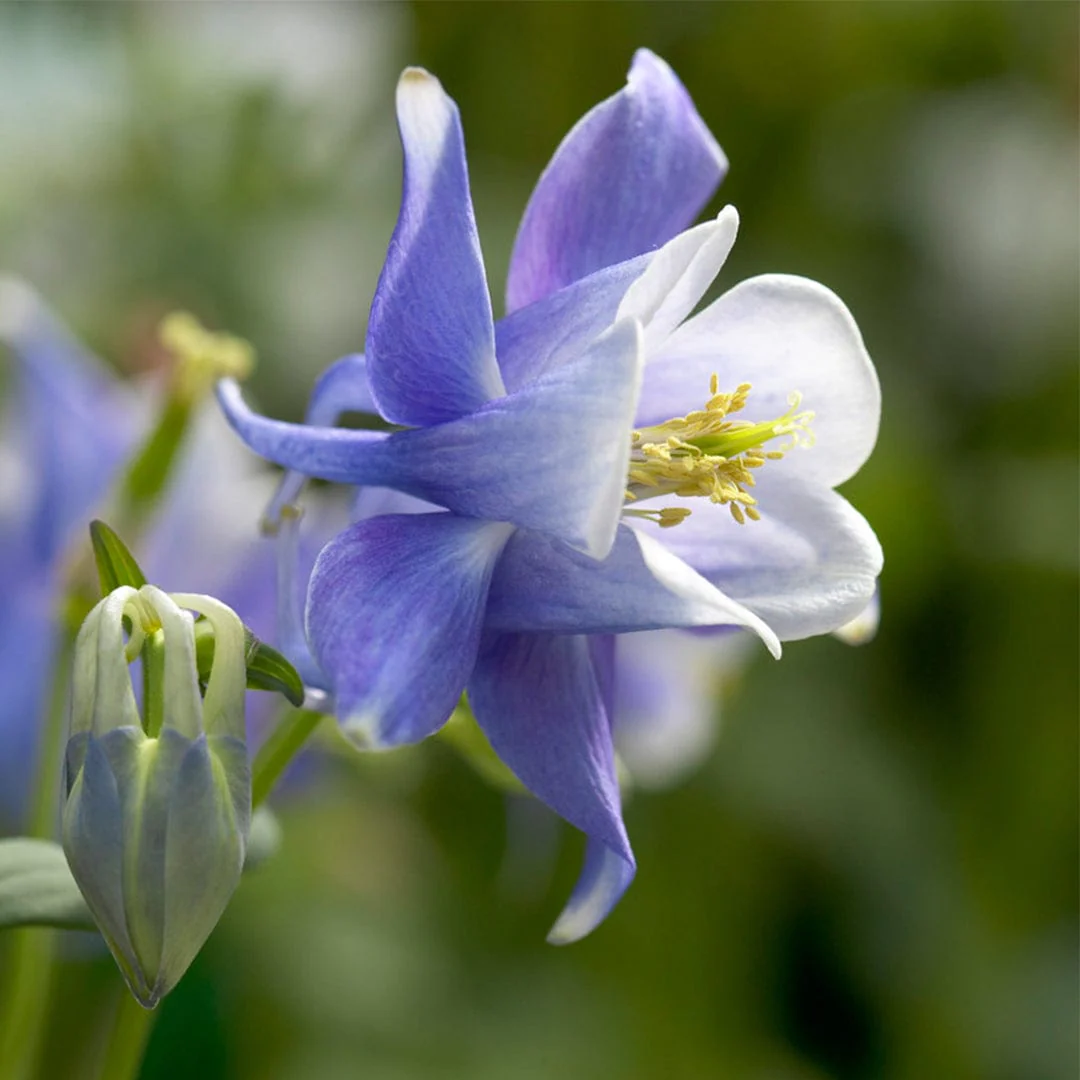
- The plant's common name, columbine, is derived from the Latin word 'columba' (meaning dove) because the unique shape of the inverted flower resembles five small doves clustered together.
Select Title
From $1.80
Original: $6.00
-70%Aquilegia 'Spring Magic Rose & Ivory'—
$6.00
$1.80Product Information
Product Information
Shipping & Returns
Shipping & Returns
Description
- From late spring, this aquilegia produces a romantic display of nodding, two-toned flowers with soft rose-pink outer petals and pale ivory-yellow centres that beautifully brighten garden borders.
- Forming a neat, clump-forming mound up to around 40cm tall, this plant boasts delicately divided, blue-green foliage that offers a wonderful, fern-like texture even before the plant blooms.
- Recognised on the official RHS Plants for Pollinators list, this is a fantastic, nectar-rich perennial that actively attracts bees and other beneficial pollinating insects to your garden.
- It's a highly versatile and easy-to-grow plant, thriving equally in patio containers, traditional cottage gardens or as underplanting for shrubs in either full sun or partial shade.
- The plant's common name, columbine, is derived from the Latin word 'columba' (meaning dove) because the unique shape of the inverted flower resembles five small doves clustered together.