Aquilegia 'Spring Magic Navy & White'
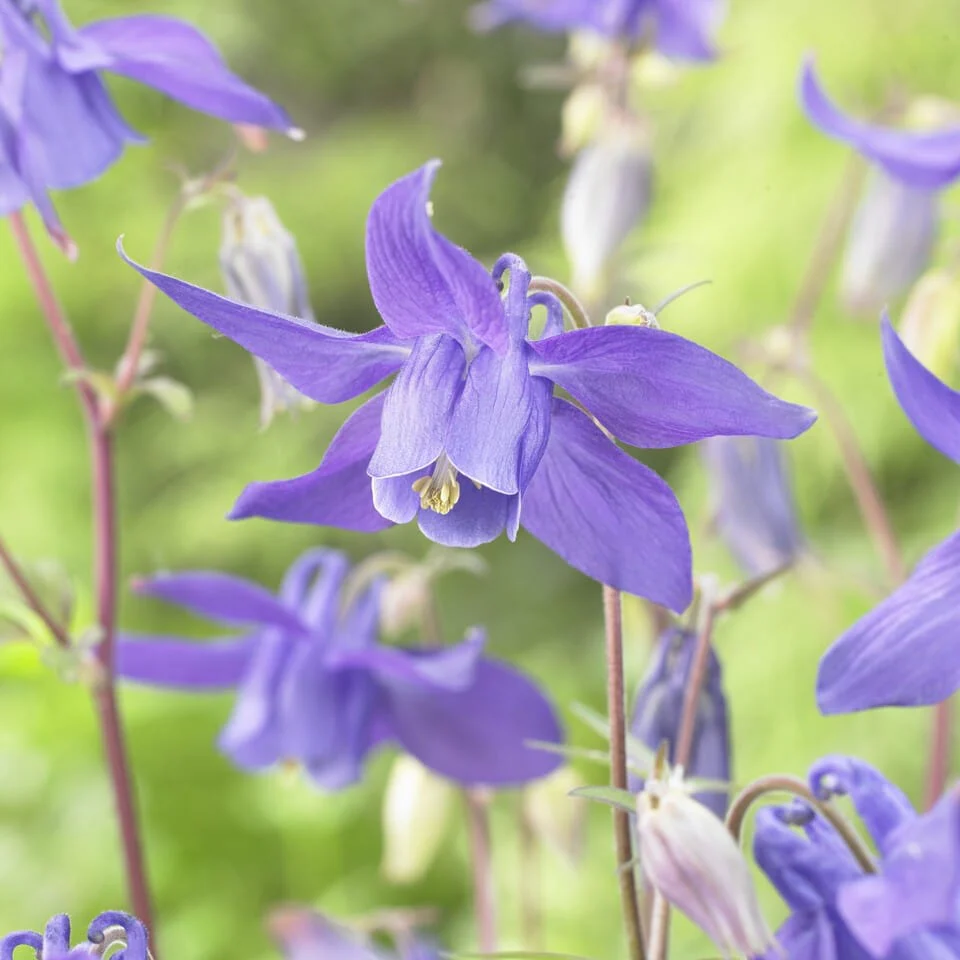
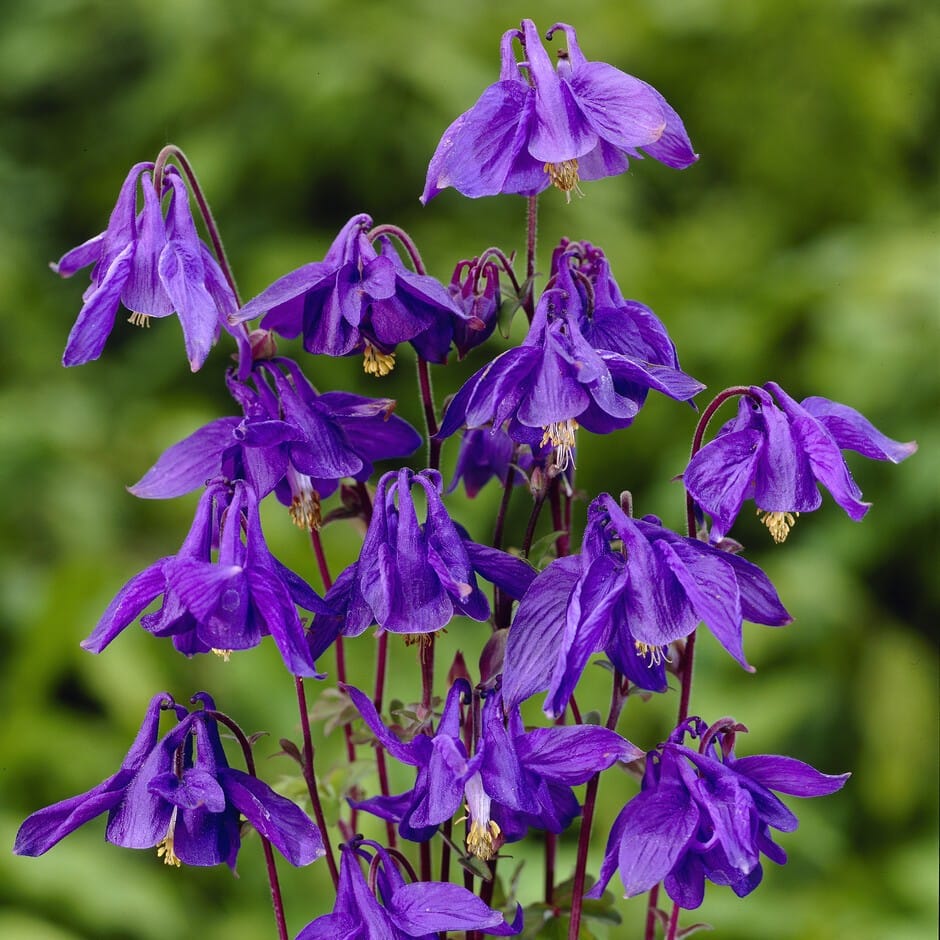
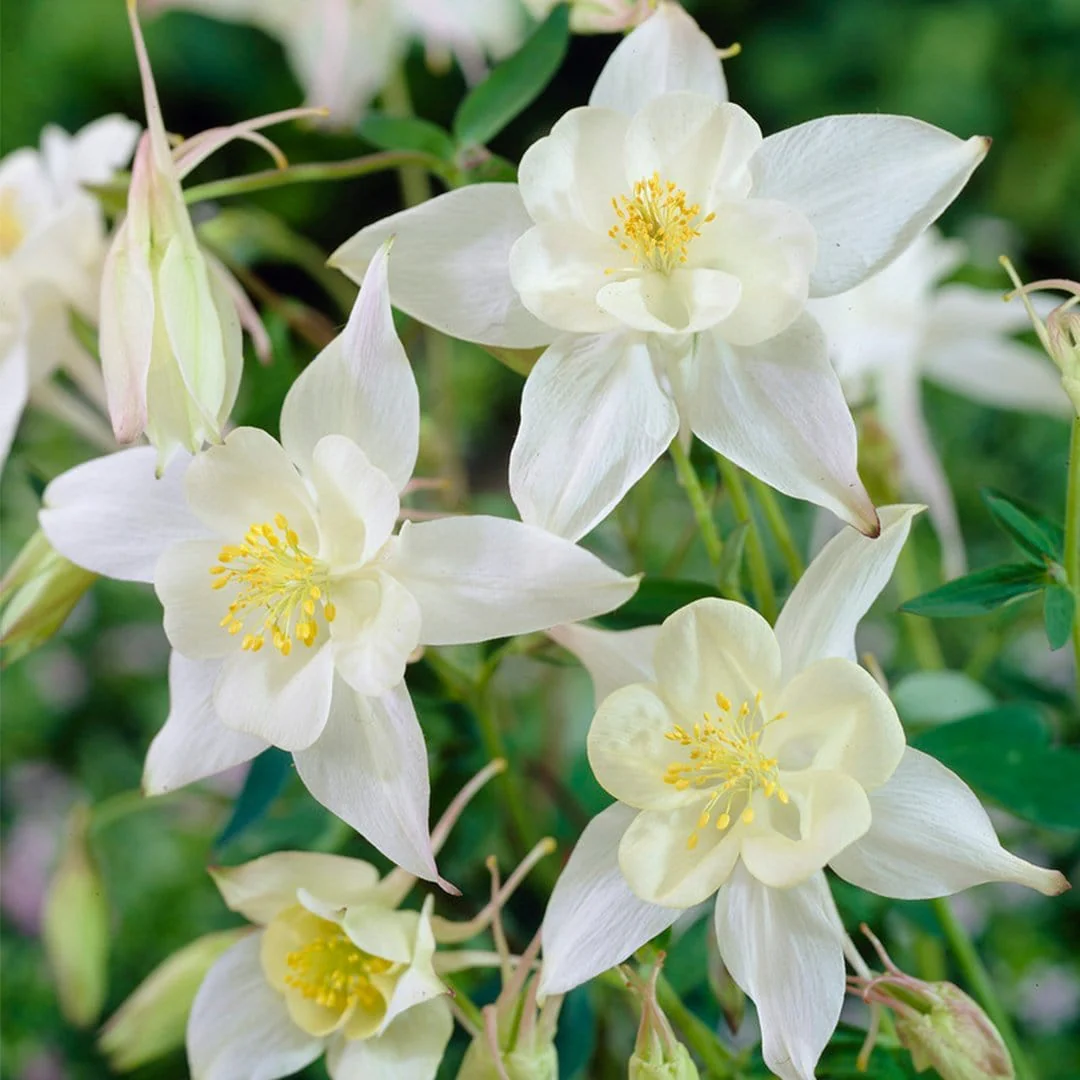
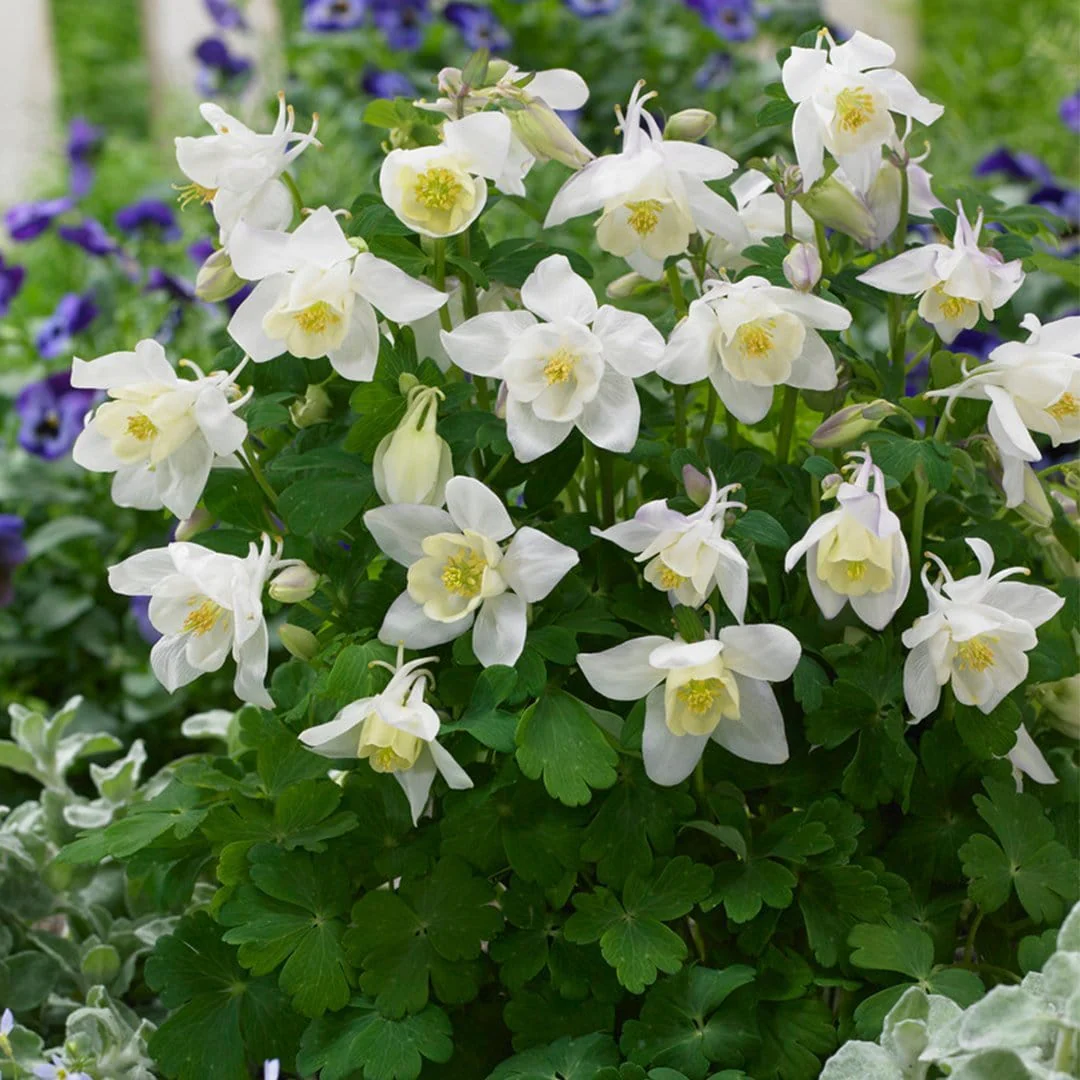
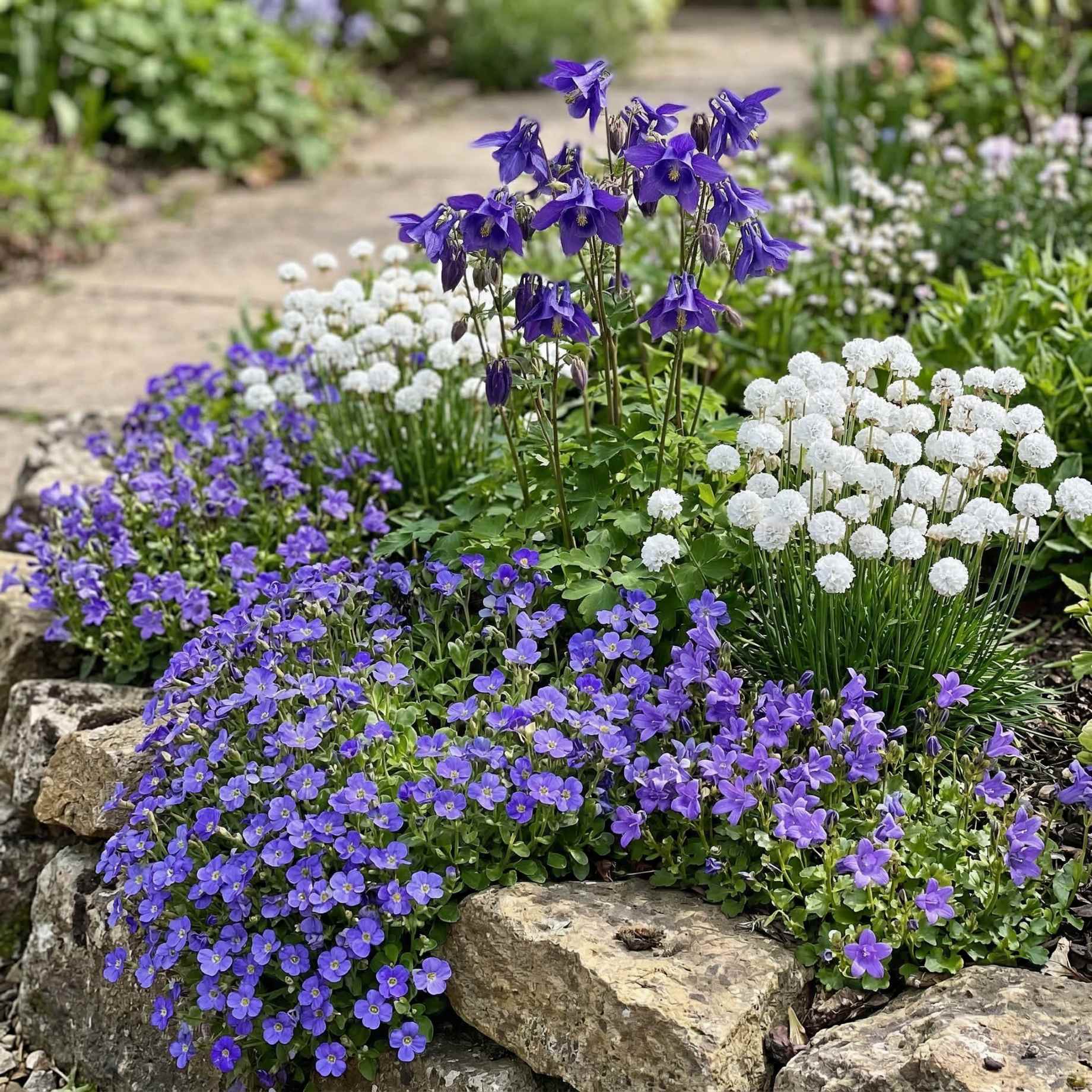
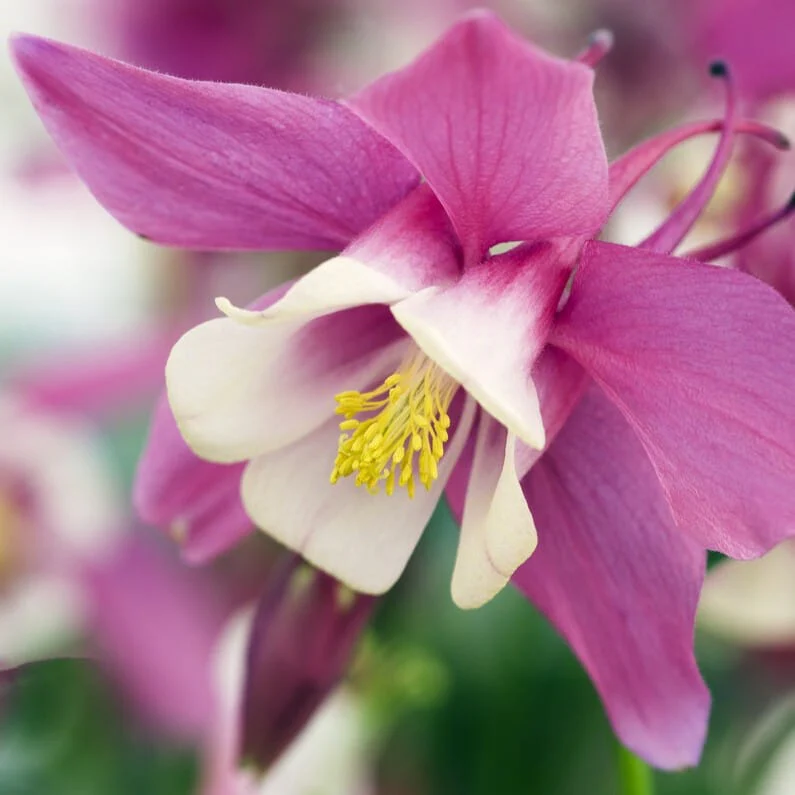
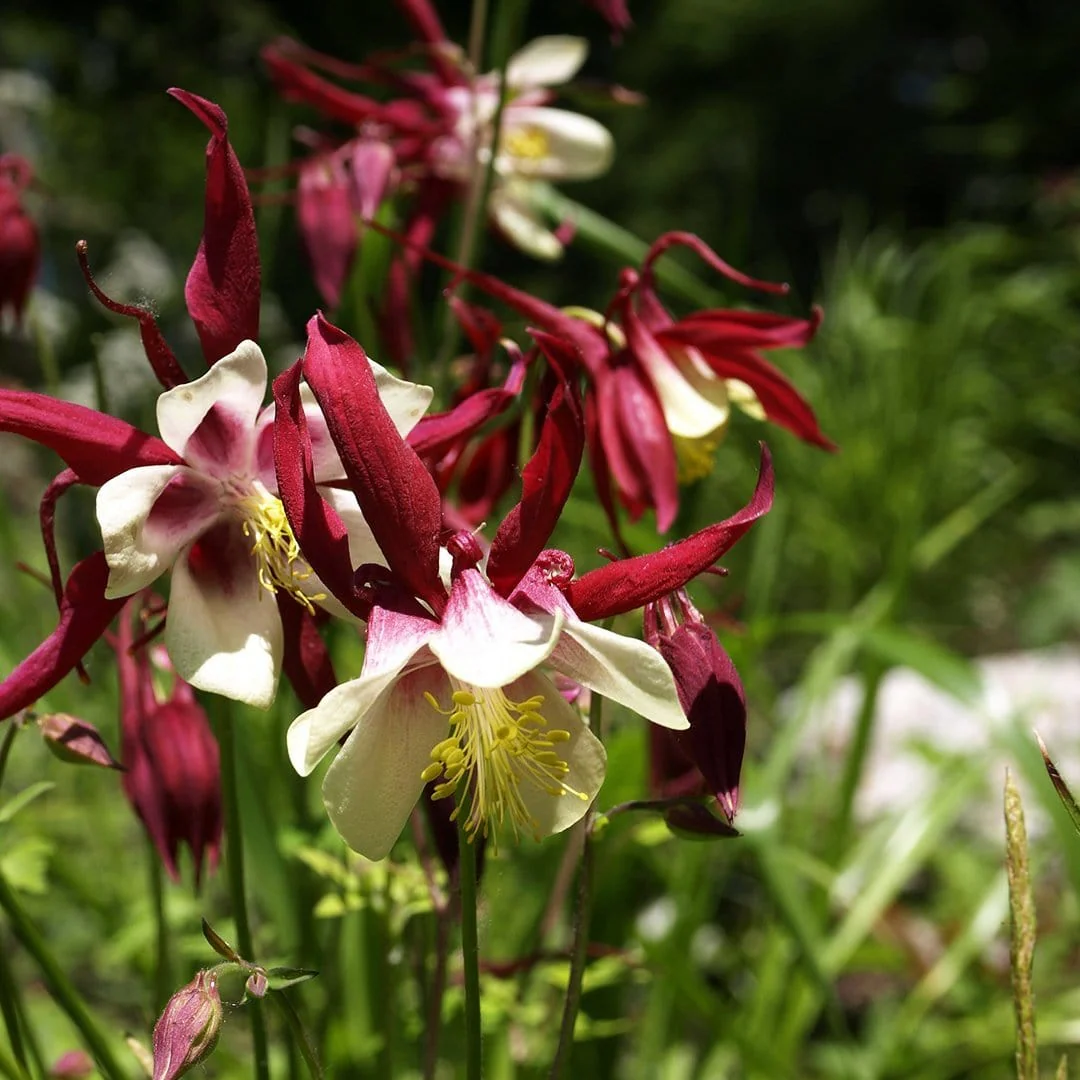
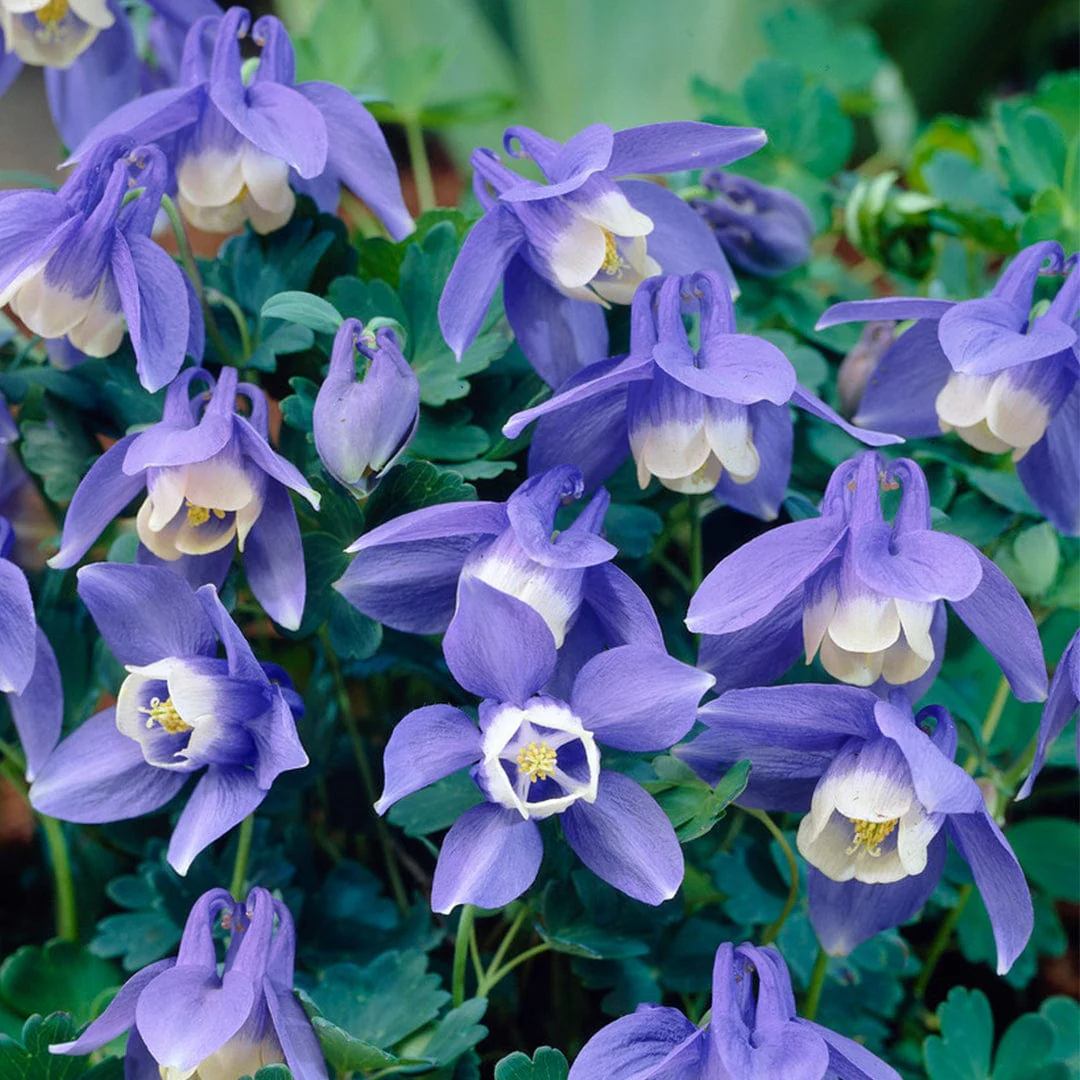
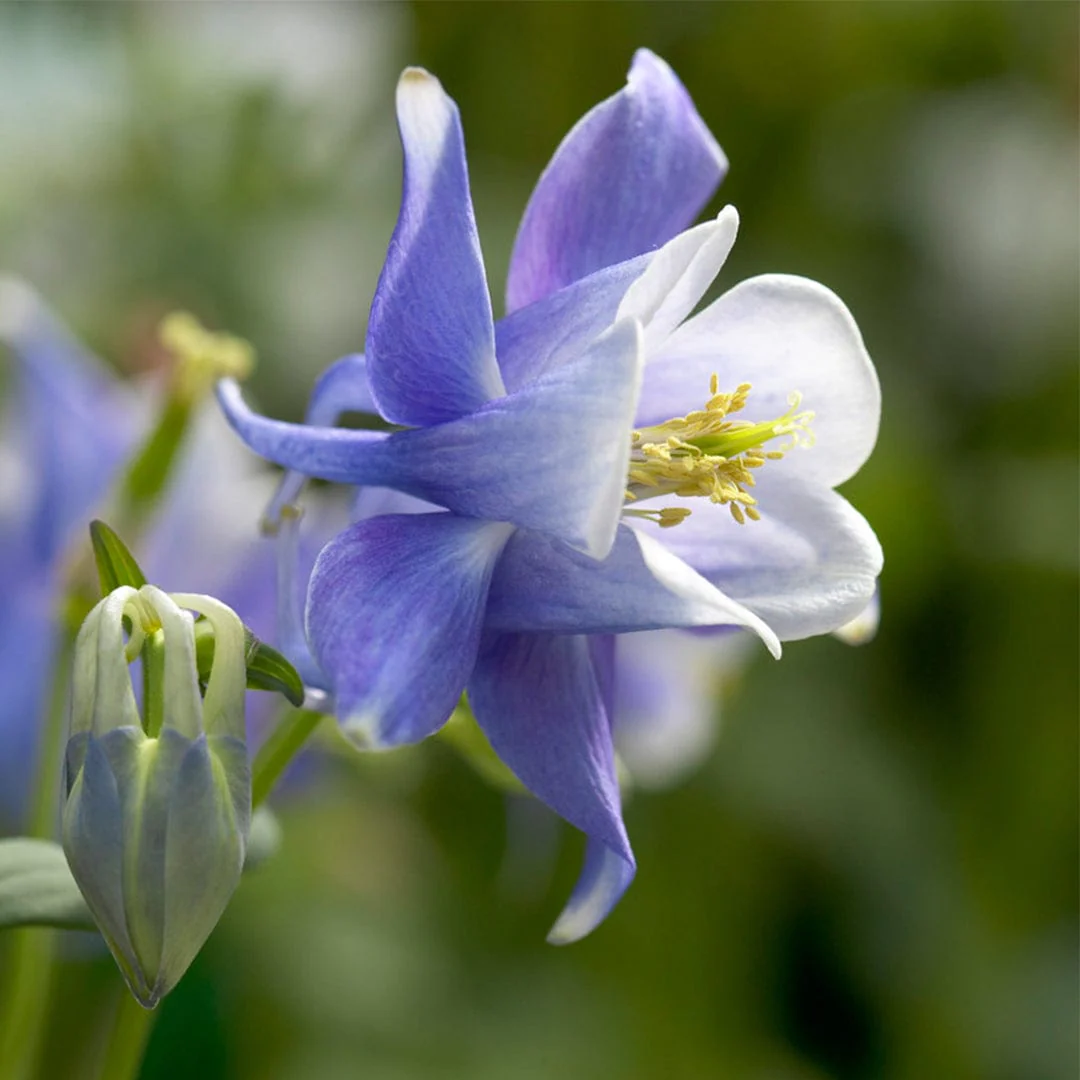
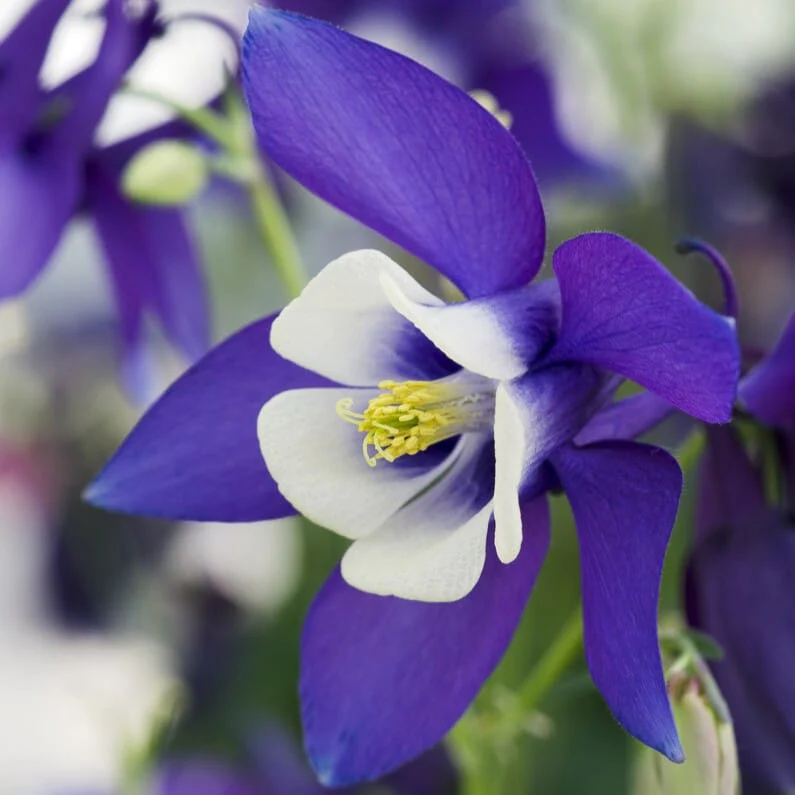
- From late spring into early summer, Aquilegia 'Spring Magic Navy and White' produces an abundance of nodding, two-toned flowers with deep purple-blue outer petals and contrasting white centres that bring an elegant, classic look to the garden.
- Forming a neat, compact mound up to 40cm tall, this aquilegia features deeply divided, attractive blue-green foliage that provides beautiful, fern-like texture even before the blooms appear.
- Featured on the official RHS Plants for Pollinators list, it is a fantastic, nectar-rich choice for actively attracting bees and other beneficial insects to your outdoor space.
- It is an incredibly versatile herbaceous perennial that thrives equally well in cottage borders or patio containers, requiring just a simple deadheading to encourage an even longer display of spectacular blooms.
- As a fascinating historical fact, the genus name is derived from the Latin word 'aquila' (meaning eagle) because early botanists thought the distinctive, short-spurred shape of the flowers resembled an eagle's talons.
Select Title
From $1.80
Original: $6.00
-70%Aquilegia 'Spring Magic Navy & White'—
$6.00
$1.80Product Information
Product Information
Shipping & Returns
Shipping & Returns
Description
- From late spring into early summer, Aquilegia 'Spring Magic Navy and White' produces an abundance of nodding, two-toned flowers with deep purple-blue outer petals and contrasting white centres that bring an elegant, classic look to the garden.
- Forming a neat, compact mound up to 40cm tall, this aquilegia features deeply divided, attractive blue-green foliage that provides beautiful, fern-like texture even before the blooms appear.
- Featured on the official RHS Plants for Pollinators list, it is a fantastic, nectar-rich choice for actively attracting bees and other beneficial insects to your outdoor space.
- It is an incredibly versatile herbaceous perennial that thrives equally well in cottage borders or patio containers, requiring just a simple deadheading to encourage an even longer display of spectacular blooms.
- As a fascinating historical fact, the genus name is derived from the Latin word 'aquila' (meaning eagle) because early botanists thought the distinctive, short-spurred shape of the flowers resembled an eagle's talons.