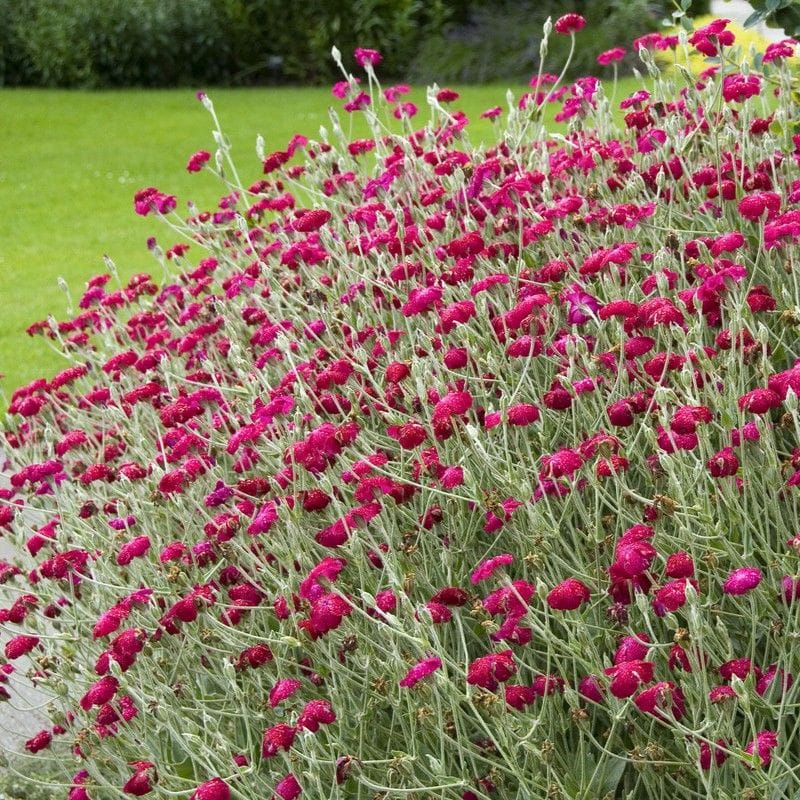
Rose Campion | Silene coronaria 'Atrosanguinea Group'
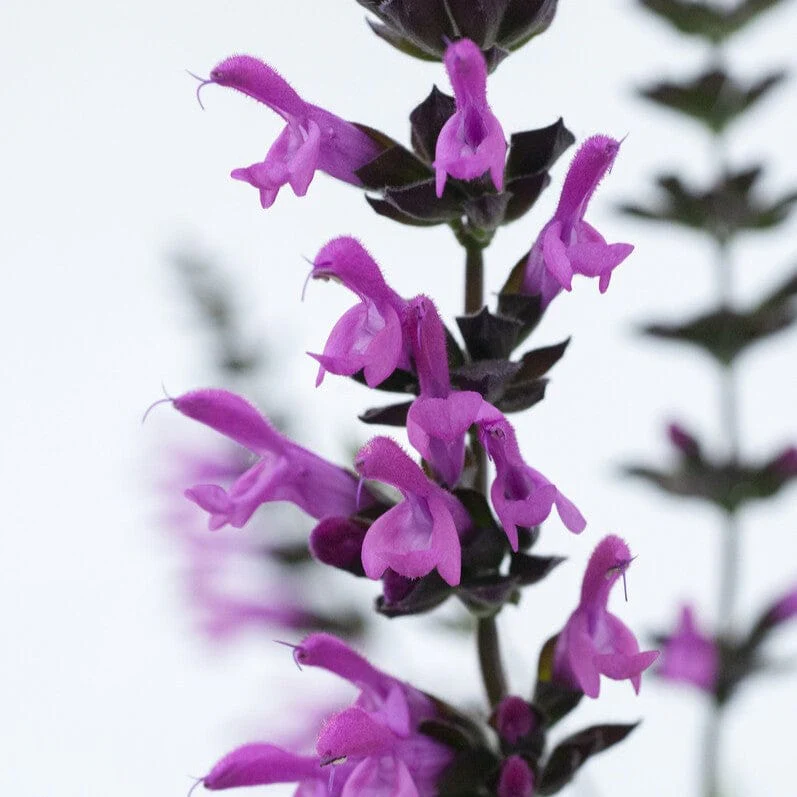
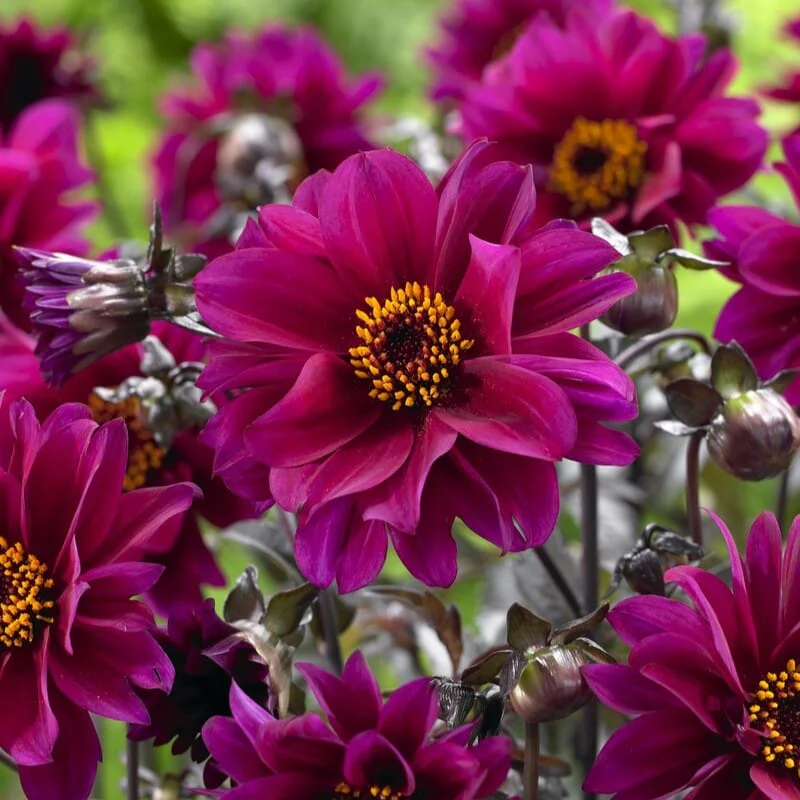
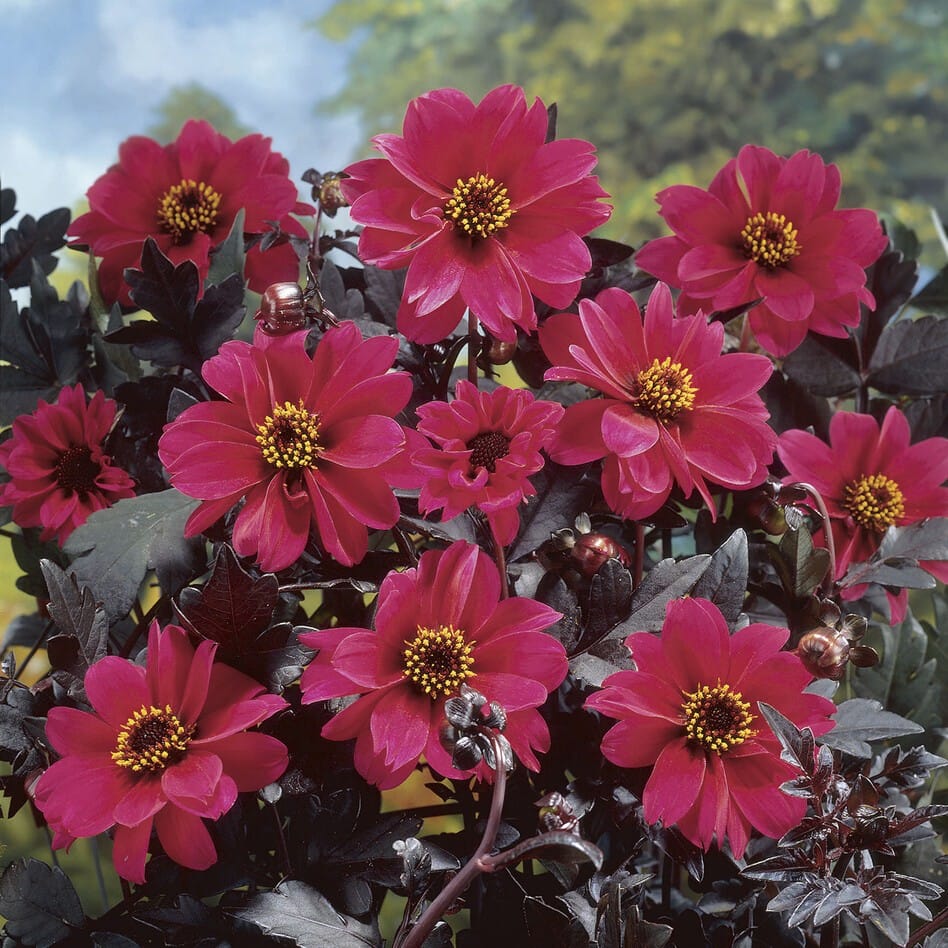
- Throughout the summer, Silene coronaria 'Atrosanguinea Group' puts on a spectacular display with its vibrant magenta flowers that strike a brilliant contrast against its foliage.
- This biennial (or short-lived perennial) is famed for its striking silvery-grey, softly-felted leaves, creating an eye-catching mound even before the blooms appear.
- Included on the official RHS Plants for Pollinators list, it's an exceptionally nectar-rich plant and makes a fantastic addition to any wildlife-friendly garden.
- It's remarkably adaptable and resilient, thriving in poor, dry and well-drained soils, making it an ideal choice for sunny cottage borders, coastal gardens and gravel planting schemes.
- Interestingly, this plant was long known as Lychnis coronaria (and commonly called rose campion), but recent botanical reclassifications have officially moved it into the Silene genus.
Select Title
From $3.90
Original: $13.00
-70%Rose Campion | Silene coronaria 'Atrosanguinea Group'—
$13.00
$3.90Product Information
Product Information
Shipping & Returns
Shipping & Returns
Description
- Throughout the summer, Silene coronaria 'Atrosanguinea Group' puts on a spectacular display with its vibrant magenta flowers that strike a brilliant contrast against its foliage.
- This biennial (or short-lived perennial) is famed for its striking silvery-grey, softly-felted leaves, creating an eye-catching mound even before the blooms appear.
- Included on the official RHS Plants for Pollinators list, it's an exceptionally nectar-rich plant and makes a fantastic addition to any wildlife-friendly garden.
- It's remarkably adaptable and resilient, thriving in poor, dry and well-drained soils, making it an ideal choice for sunny cottage borders, coastal gardens and gravel planting schemes.
- Interestingly, this plant was long known as Lychnis coronaria (and commonly called rose campion), but recent botanical reclassifications have officially moved it into the Silene genus.